Andritz is the northernmost district of Graz – and one steeped in history. Where residential buildings, recreational areas, and small businesses now dominate, there was once an independent village with farms, churches, and later, industry. Traces of this can still be found today: old mills, the traditional Andritz AG factory, winding alleys, and historic courtyards tell of the transformation of a district that has constantly evolved over the centuries. Those who want to explore Graz beyond the Old Town will find history here – nestled in green hills, with views of the Mur River, and a touch of village life in the heart of the city.
For a long time, Andritz was an independent village north of Graz – with fields, farms, small craft businesses, and plenty of nature. The first documented mentions date back to the 12th century. The people lived from agriculture, timber from the surrounding forests, and the water of the Mur, which powered mills and facilitated trade.
You can still feel this origin today: when walking along old farmyards, on the paths around the parish church of St. Veit or in the alleys where time passes a little more slowly.
The 19th century marked a turning point. Industrialization also reached Andritz – and changed the village forever. In 1852, the foundation stone of today's Andritz AG The production of machinery, especially for the paper and pulp industry, made the town famous far beyond its borders.
New residential buildings were built around the factory. Workers moved to the district, new infrastructure was built, and the predominantly rural village slowly became an industrial center with a growing population and economic importance.
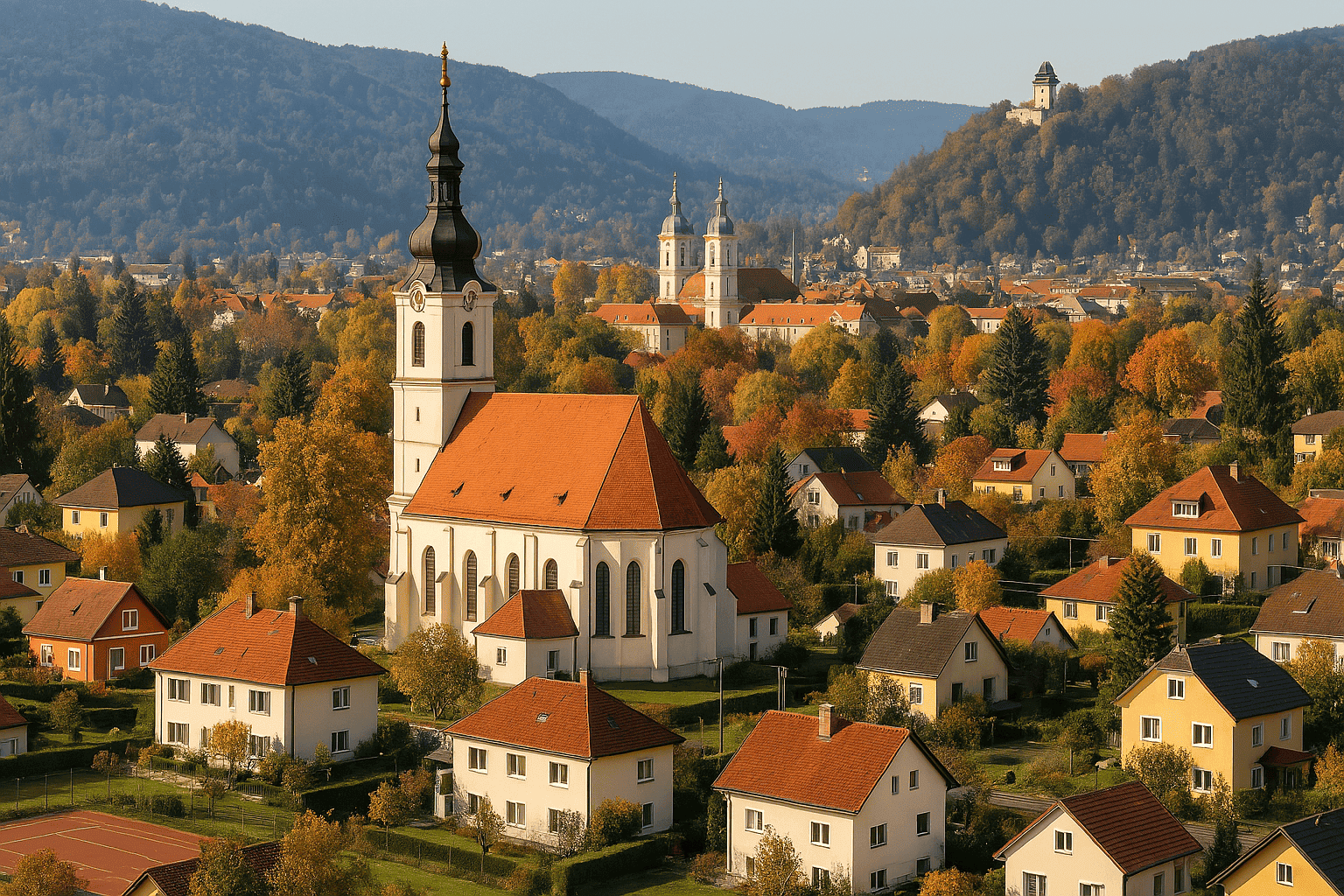 Symbol photo
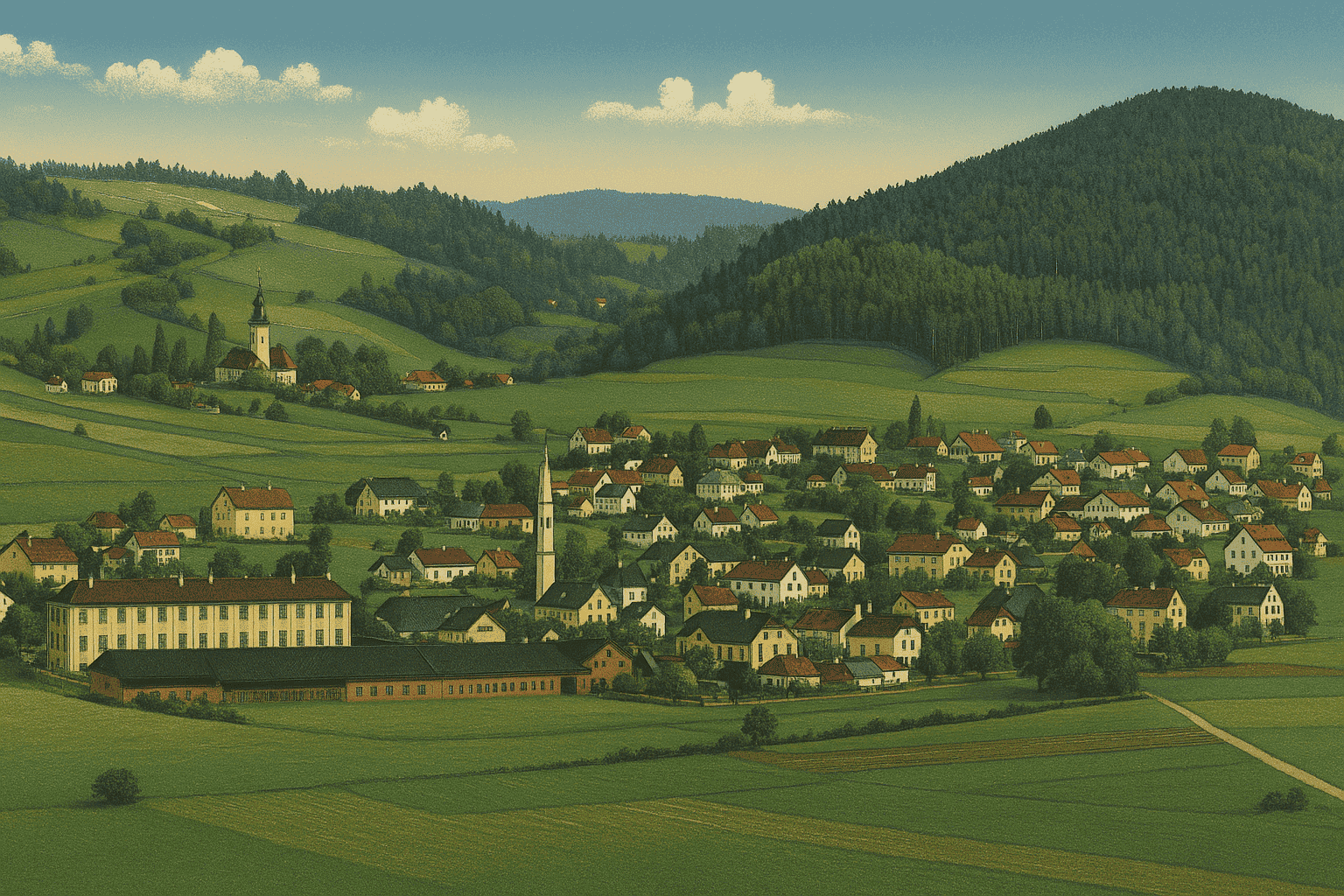 Symbol photo
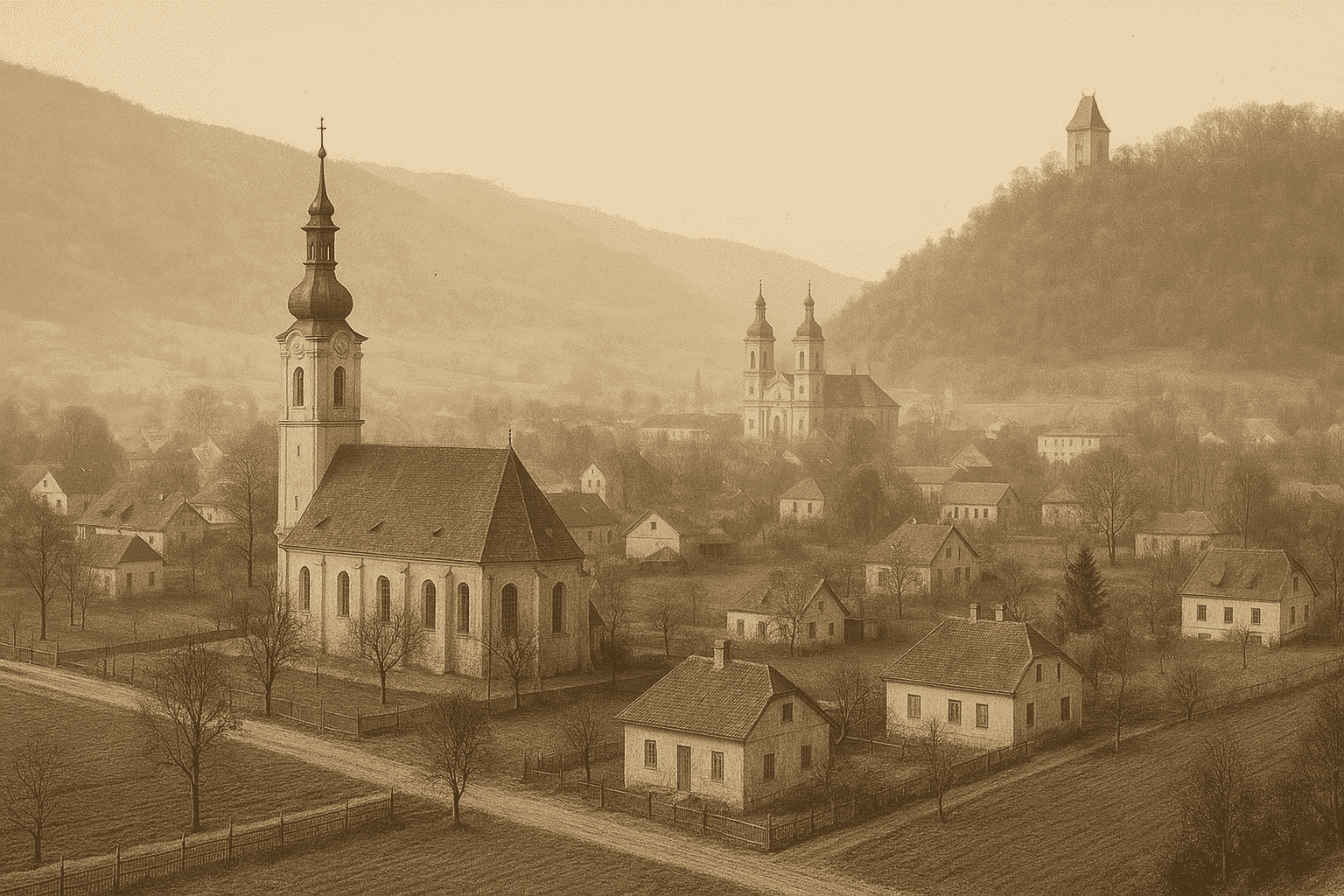 Symbol photo
Andritz remained an independent municipality until 1938. That year, as part of the incorporation process, the village officially became part of Graz. Despite its new affiliation, the district retained much of its original character. The strong local identity, the feeling of a "village within the city" – all of this remained intact.
Today, visitors to Andritz discover not only the traces of industrialization, but also numerous buildings and squares that recall the time before the incorporation.
Anyone interested in Graz's history shouldn't miss Andritz. This district tells the story of a village's transformation, its industrial boom, and the preservation of its own identity. Between old villas, historic industrial sites, and green recreational areas, history comes alive – quietly, authentically, and completely away from the hustle and bustle of tourism.
There's a story behind every street, every square, and every building. If you want to learn more about Graz's hidden past, our newsletter is perfect for you.
Once a month, you'll receive exciting finds, forgotten anecdotes, and historical insights directly in your inbox—compact, well-researched, and told with love for the city.


 English (UK)
  Deutsch
  Italiano
  Français
  Slovenščina
  Español
  Magyar
  Čeština
  Polski