The Innere Stadt from Graz is not only the historic heart of Styria's capital – it is a living history book, recounting past centuries at every turn. Between medieval alleys, baroque facades, and imposing buildings, a fascinating journey through time unfolds, stretching from the Middle Ages through the Habsburg monarchy to the present day. This article guides you through the most important historical landmarks of the Inner City – concise, understandable, and with exciting details for the curious and those who love to explore.
The Inner city is the oldest district of Graz – and one of the most fascinating. Anyone strolling through the narrow streets between Schlossberg, Mur and Herrengasse today will find themselves walking through more than 900 years of city historyChurches, palaces, courtyards and squares tell the story of emperors, artists and merchants – and turn the centre of Graz into a living open-air museum.
The history of the inner city begins in 12th century, when the first settlement formed around the fortress on the Schlossberg. Graz was granted city rights as early as 1230. Its favorable location on the Mur River and at the intersection of important trade routes allowed the city to grow rapidly.
In the 15th century, Graz became Residence of the Inner Austrian line of the Habsburgs, which gave the cityscape its splendour, which is still characteristic today: magnificent buildings such as the State Armoury, the Castle ensemble with double staircase or the Graz City Crown around the cathedral and mausoleum bear witness to this.
During the Renaissance, elaborate courtyards and arcades were created, as can be seen particularly in the Sporgasse or around the Graz main square The Baroque era produced churches and palaces, such as the Franciscan Church or the mighty country house, which is now the seat of the Styrian state government.
The transformation from the 19th to the 20th century left behind Wilhelminian-style facades, new squares and the tram – but the historic center remained largely intact.
 Symbol photo
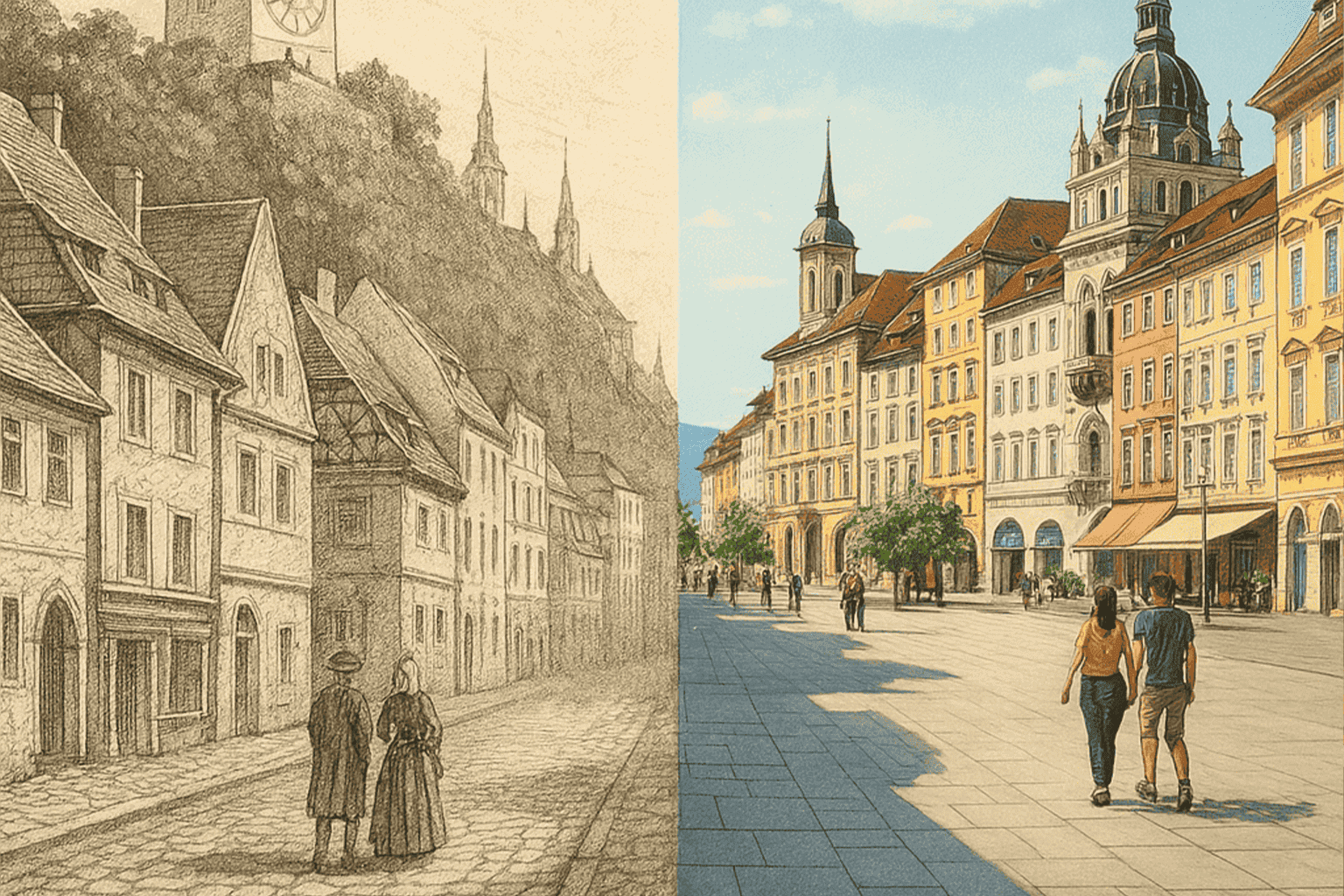 Symbol photo
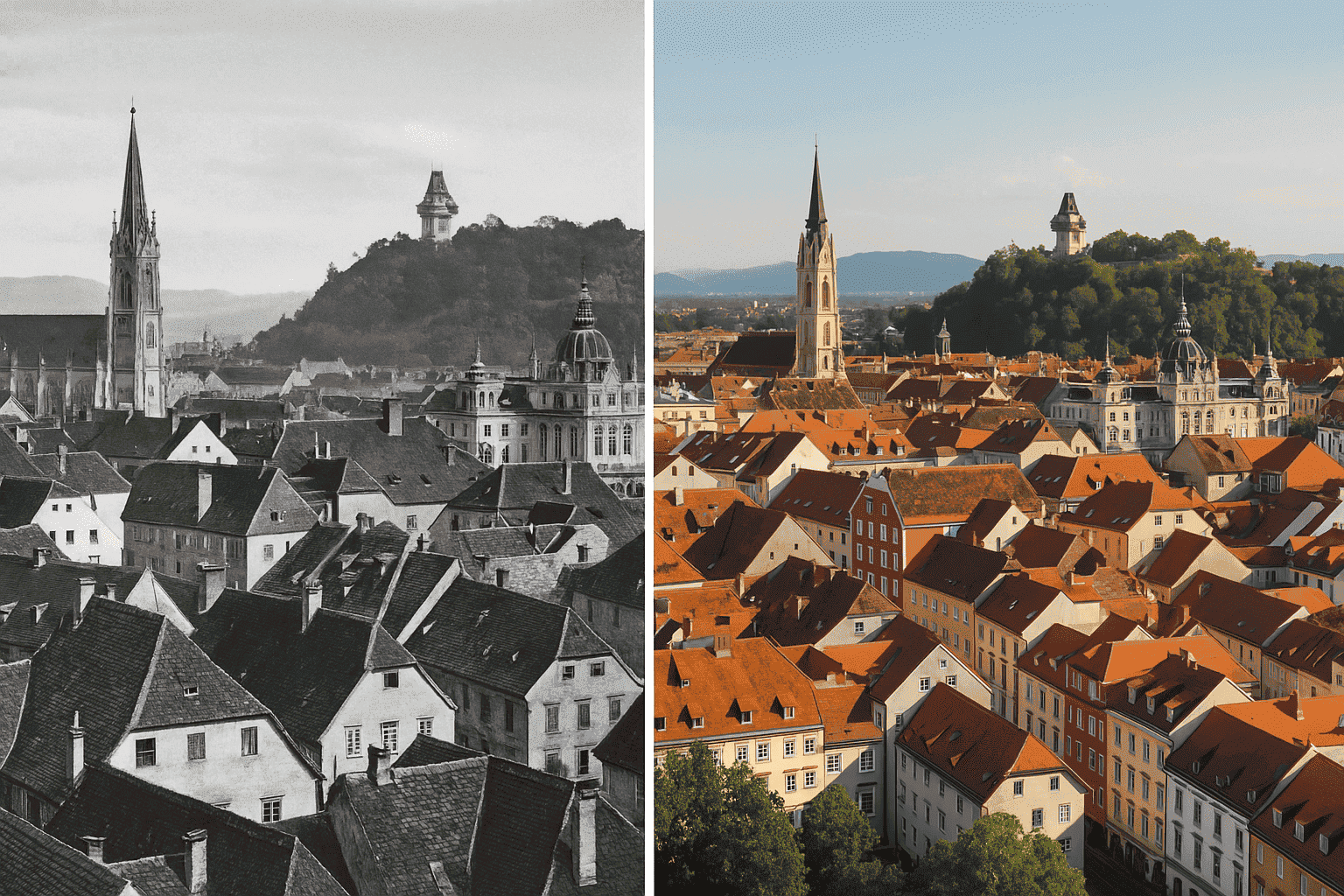 Symbol photo
Since 1999, Innere Stadt Graz has been part of the UNESCO World Heritage Site – and rightly so. Nowhere else do medieval town structure, Renaissance courtyards, baroque splendor and modern life as charming as here.
Today, the district is a place that is enlivened daily by tourists, students, and locals alike. Street cafes, galleries, small museums, and well-preserved buildings make a stroll through the Innere Stadt a Journey through the centuries – without it feeling like a museum.
Whoever History of Graz Those who truly want to understand the city should start their tour in the inner city. Between old facades, cobblestones, and imposing squares lies the city's origins – and a unique magic that is best discovered on foot.
There's a story behind every street, every square, and every building. If you want to learn more about Graz's hidden past, our newsletter is perfect for you.
Once a month, you'll receive exciting finds, forgotten anecdotes, and historical insights directly in your inbox—compact, well-researched, and told with love for the city.


 English (UK)
  Deutsch
  Italiano
  Français
  Slovenščina
  Español
  Magyar
  Čeština
  Polski