Nestled between the city limits and the Leechwald forest, Graz's Waltendorf district boasts a long history – from a rural village with vineyards to a popular residential area with a villa flair. The gently rolling hills attracted wealthy citizens early on, who built summer residences here. At the same time, the original character, with its old farmyards, chapels, and green retreats, has been preserved. In this article, we take a look at the historical developments of Waltendorf – and show why the district still has a rich story to tell today.
The district Waltendorf in the east of Graz is known for its quiet location, its green slopes, and its well-kept residential areas. But behind this modern facade lies a history dating back to the Middle Ages. Waltendorf was once a small, rural village dotted with vineyards, fields, and farmsteads – today it's a popular district for those who appreciate peace, green spaces, and history. Those looking to experience Graz beyond the city center will find quiet paths, architectural treasures, and authentic insights into the city's development here.
The first documented mention of Waltendorf dates back to 13th century At that time, the settlement consisted of a few farms grouped around a small church. The hillside location was not only scenically attractive, but also ideal for viticultureNumerous vineyards have shaped the landscape for centuries – individual field names and old walls still bear witness to this today.
The people here lived primarily from agriculture, livestock farming, and—as in many outlying districts—from the timber trade and simple crafts. The proximity to the Leech Forest provided firewood and timber, while the fields along the hill ensured self-sufficiency.
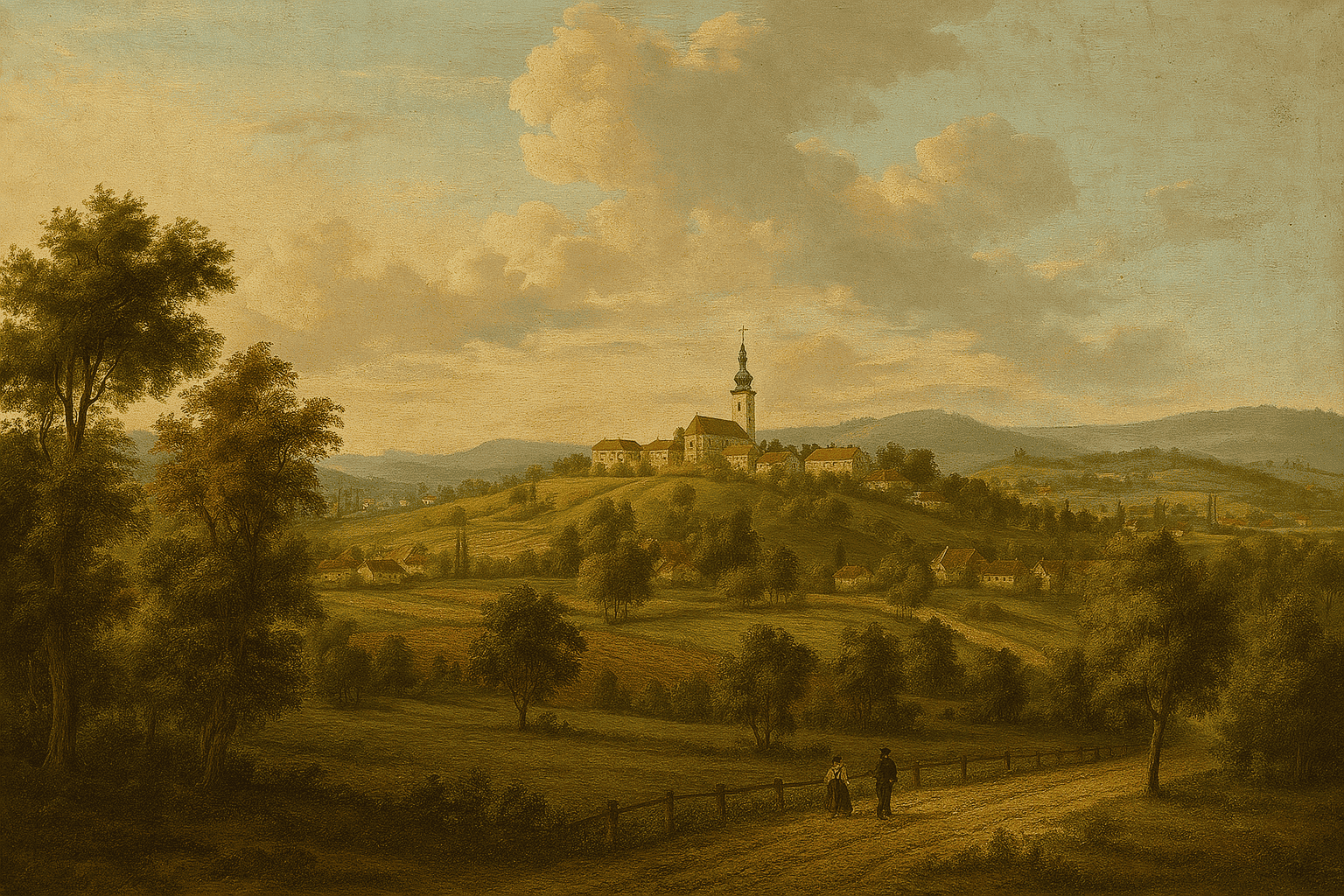 Symbol photo
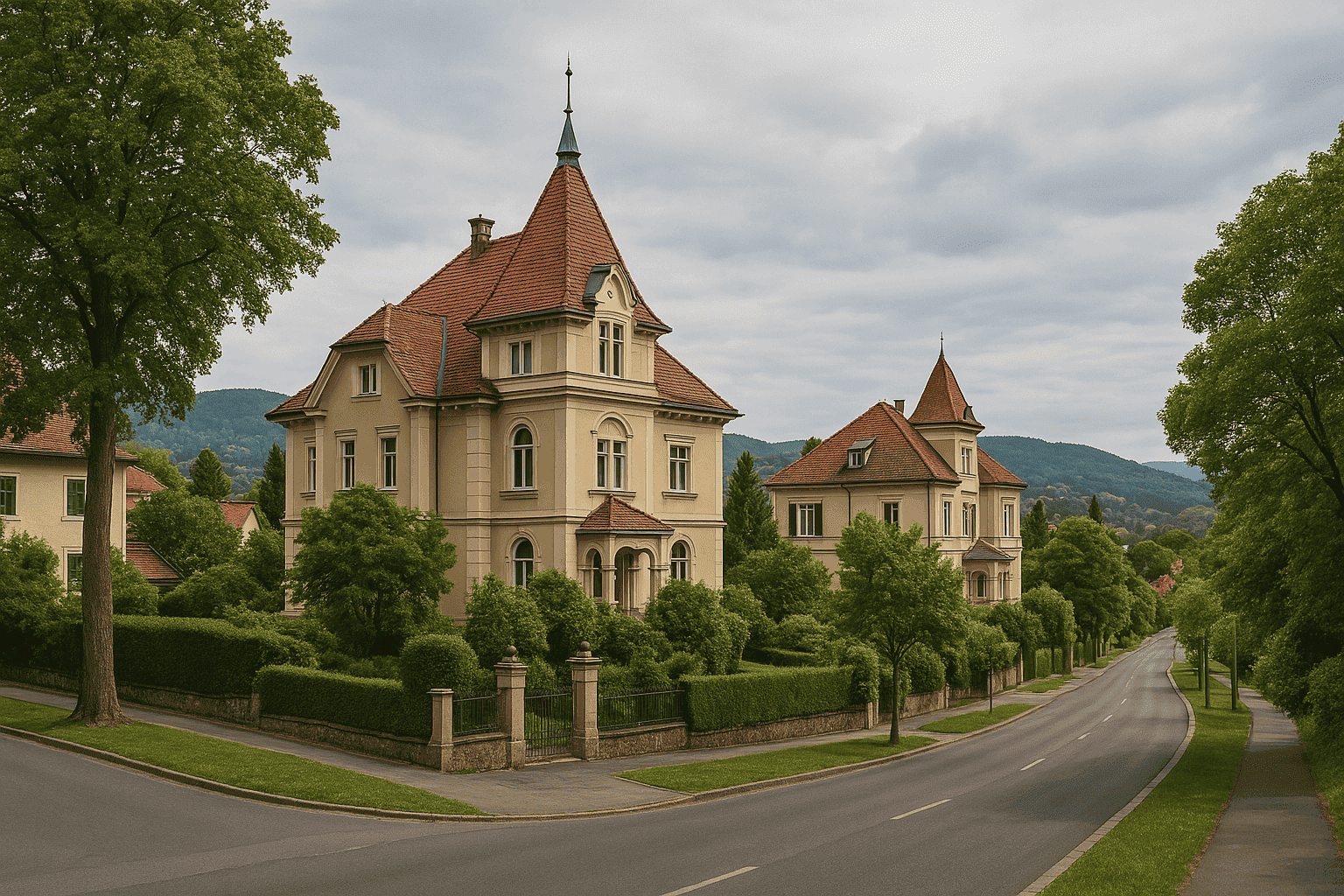 Symbol photo
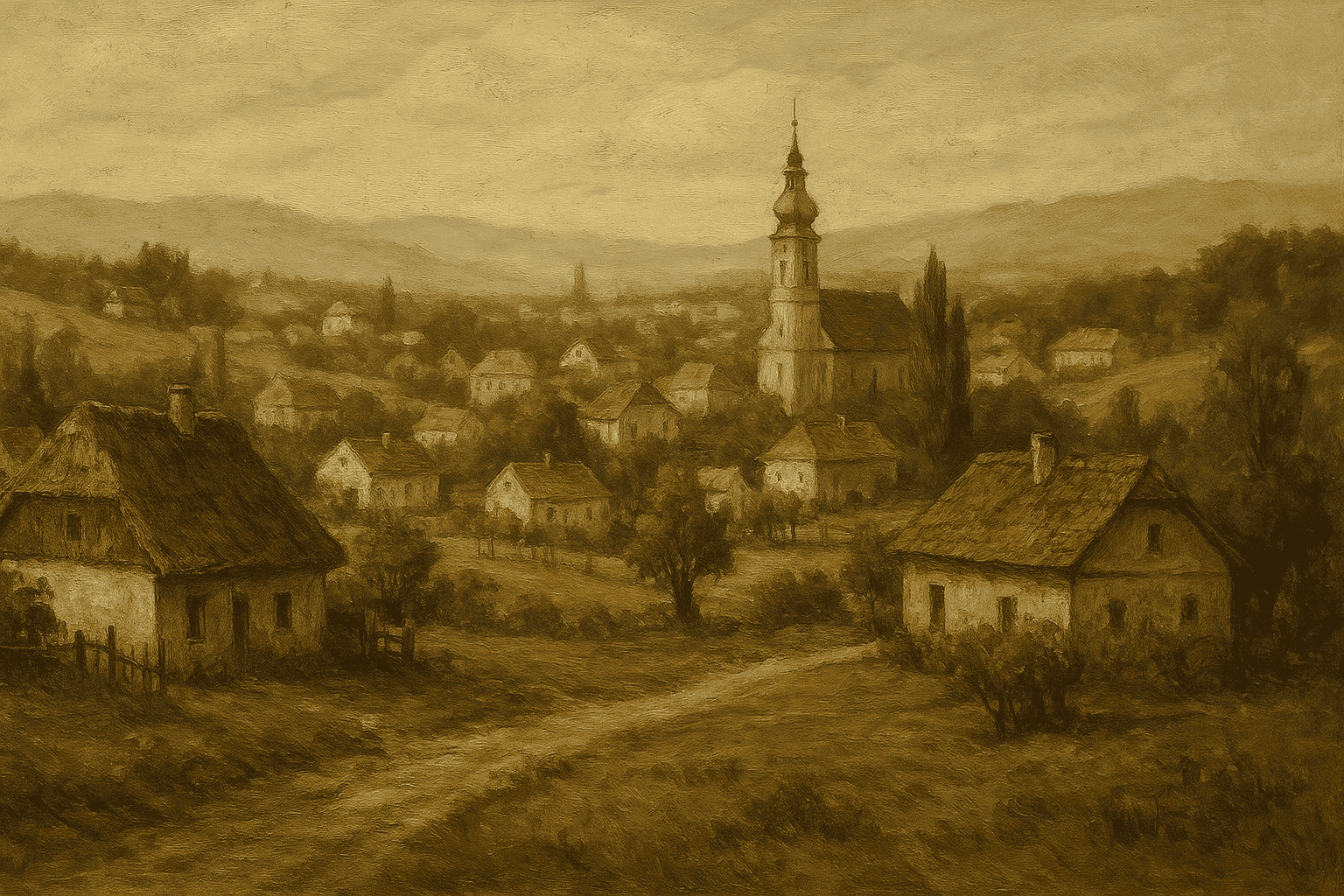 Symbol photo
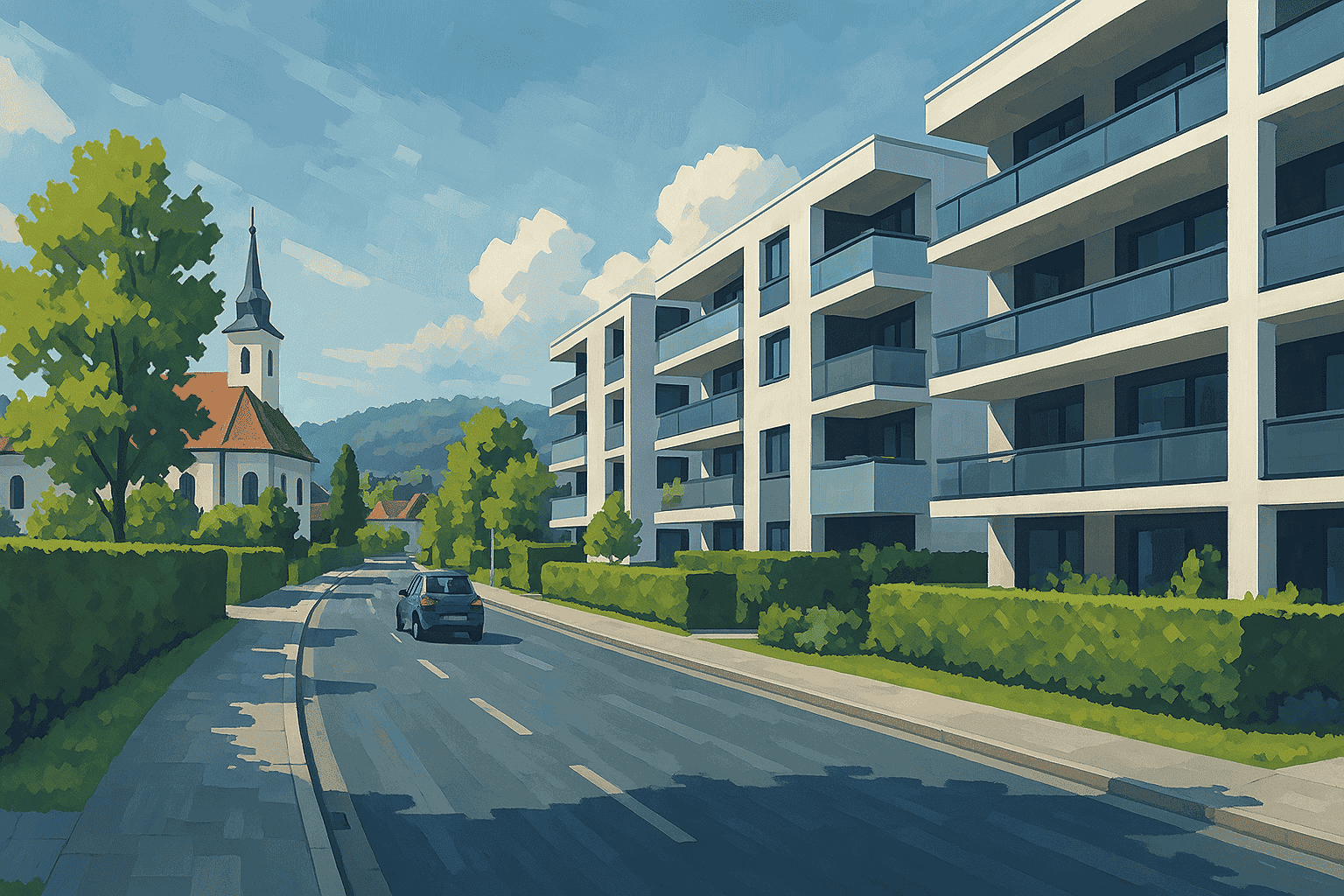 Symbol photo
From the 19th century The bourgeois Graz was increasingly drawn to Waltendorf. gentle hilly location, the good air and the view of the city made the district a preferred location for Summer residencesMany of these buildings – some in the historicist or Wilhelminian style – have been preserved to this day and characterize the elegant appearance of Waltendorf.
This development gave the district a certain social reputation: Those who could afford it built here. Nevertheless, the village character was preserved for a long time – with a mixture of old farmhouses, gardens, and small chapels that can still be found among modern buildings.
With the growth of the city of Graz in the 20th century, Waltendorf gradually incorporated and infrastructure. New road connections, the introduction of public transport, and the construction of modern housing developments changed the face of the district. Nevertheless, much of its original character was preserved – especially in the Outskirts towards Leechwald or in the area of old paths and alleys.
Today in Waltendorf you will meet a successful mix of old and new: renovated old buildings, modern residential complexes, quiet villa streets and always small references to the history of the district.
For visitors, Waltendorf is a real insider tip: green retreats, charming walking paths, impressive architecture and an almost village-like atmosphere make the district particularly attractive. The proximity to Leechwald, the view of the Plabutsch and the good connections to the city center offer the best conditions for a relaxed visit.
If you want to discover Graz off the beaten track, you can stroll through small streets, discover historic walls or simply enjoy the quiet, elegant ambience – Waltendorf shows Graz from its gentle side.
There's a story behind every street, every square, and every building. If you want to learn more about Graz's hidden past, our newsletter is perfect for you.
Once a month, you'll receive exciting finds, forgotten anecdotes, and historical insights directly in your inbox—compact, well-researched, and told with love for the city.


 English (UK)
  Deutsch
  Italiano
  Français
  Slovenščina
  Español
  Magyar
  Čeština
  Polski