Located on the western outskirts of Graz, Wetzelsdorf was once a small, rural village. Today, the district presents itself as a quiet residential area with green hills, charming churches, and historic settlements. Visitors discover traces of constant change here – from its rural origins to the railway era and its incorporation into the city of Graz. Those seeking to experience history away from the hustle and bustle will find quiet paths, old farms, and an authentic glimpse of the "other" Graz in Wetzelsdorf. It's ideal for walks, exploration, and for anyone interested in historical life on the outskirts of the city.
For centuries, Wetzelsdorf was a small village on the western edge of Graz. The district stretched along today's Wetzelsdorfer Straße and was characterized by fields, orchards, scattered settlements, and forests. The first mentions date back to the Middle Ages – at that time, it was primarily inhabited by farming families who benefited from the fertile soil and the proximity to the forests.
Anyone strolling through the side streets today will discover old farmsteads, small religious monuments and paths that tell of the time when Wetzelsdorf was still far outside the city limits.
The district experienced a major development spurt in the 19th and early 20th centuries. With the expansion of the GKB railway line (Graz-Köflacher Railway) was connected to the transport network in Wetzelsdorf. Small train stations, new road connections, and the first commercial enterprises ensured steady growth.
New housing developments, shops, and residential buildings sprang up around the train stations and bus stops. The district grew particularly strongly after the Second World War – through housing projects, immigration from other regions, and integration into Graz's urban life.
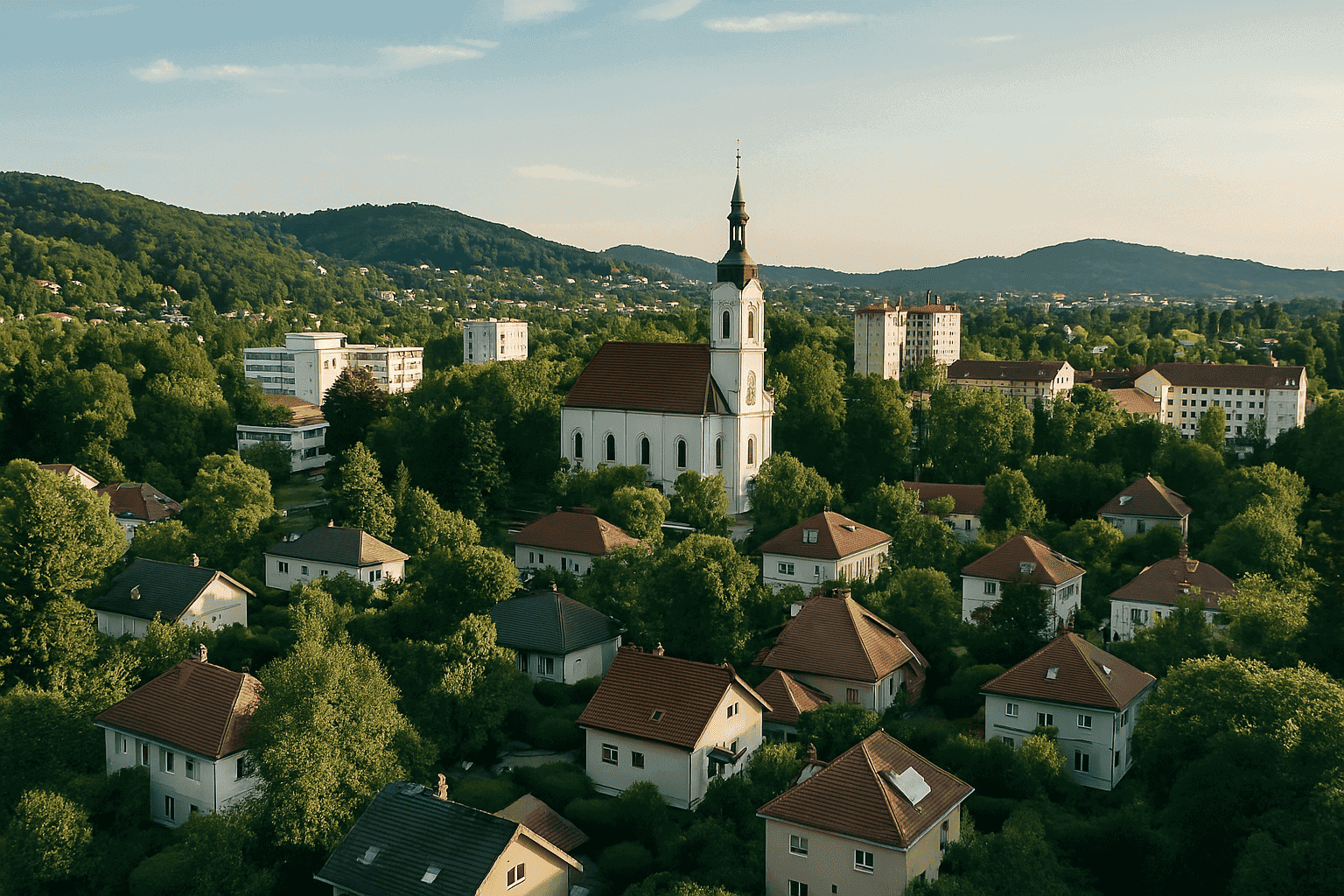 Symbol photo
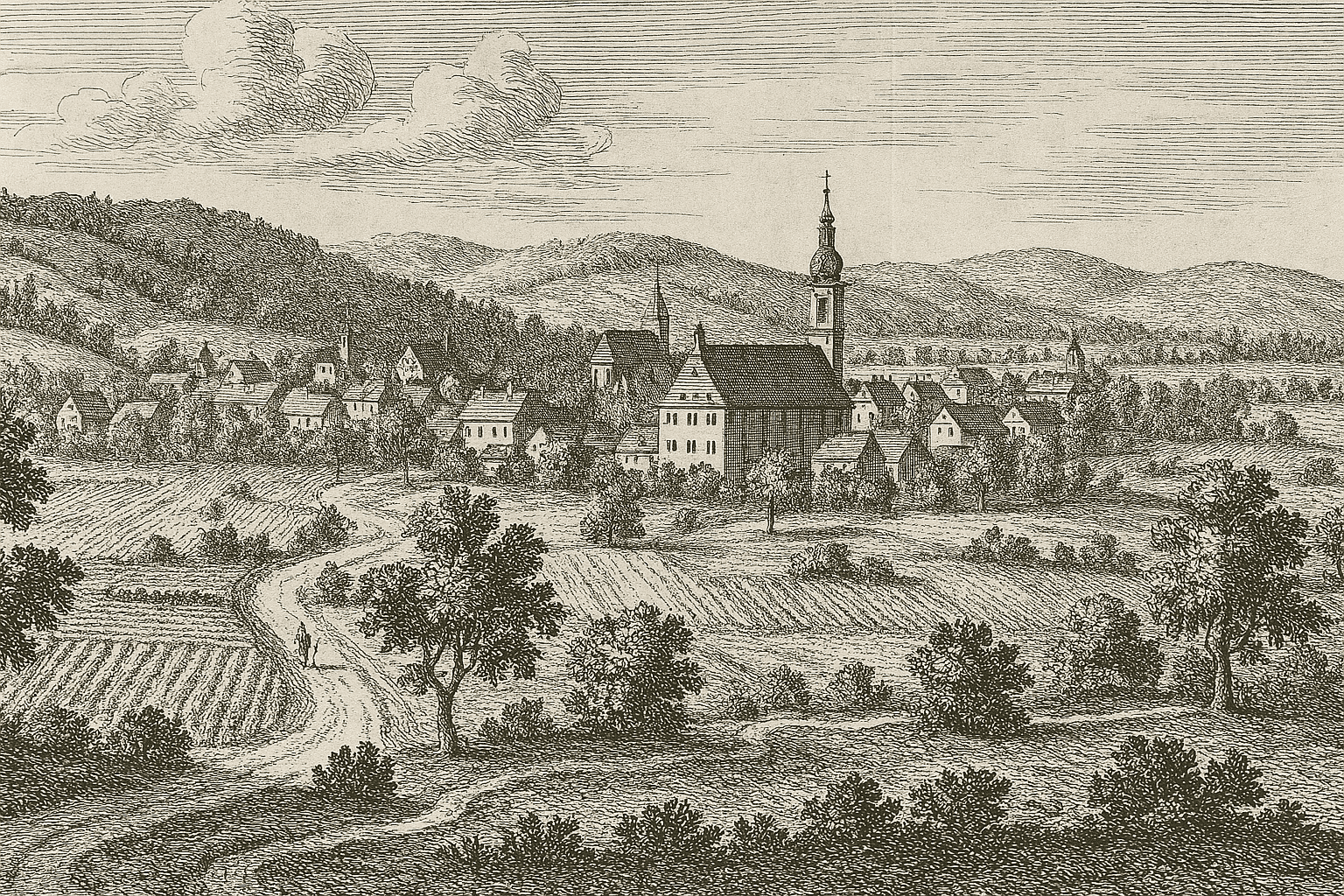 Symbol photo
 Symbol photo
In 1938, Wetzelsdorf—along with several other surrounding communities—officially became part of the city of Graz. Despite this incorporation, the district retained its rural character for a long time. The mix of single-family homes, allotment gardens, and spacious green spaces characterizes the landscape to this day.
Numerous chapels, wayside crosses and small village churches recall the time before urbanization – and invite visitors to discover the quiet side of Graz.
Wetzelsdorf is ideal for walks that trace history. Along the old railway lines, past former farmsteads, and through quiet residential areas, the district's development can be impressively traced. The connection between old and new is particularly palpable around the churches—like the Wetzelsdorf parish church.
Those who like sports can also set off from the district on hikes towards Plabutsch or Buchkogel – from the heart of the district into the green west of Graz.
Today, Wetzelsdorf is a quiet, green residential district with strong ties to its past. Its village character has been preserved – complemented by modern infrastructure, local amenities, and good transport links. For anyone who wants to explore historic Graz away from the tourist hotspots, Wetzelsdorf is a real insider tip.
There's a story behind every street, every square, and every building. If you want to learn more about Graz's hidden past, our newsletter is perfect for you.
Once a month, you'll receive exciting finds, forgotten anecdotes, and historical insights directly in your inbox—compact, well-researched, and told with love for the city.


 English (UK)
  Deutsch
  Italiano
  Français
  Slovenščina
  Español
  Magyar
  Čeština
  Polski