The Graz district Lend is known today primarily for its creative scene, urban diversity, and vibrant atmosphere – but its roots reach deep into the city's history. Once a working-class district with markets, factories, and a railway connection, Lend has transformed over the past few decades into one of Graz's most exciting districts. In this article, we take a look back at the historical developments, the industrial boom, and the transformation into a vibrant hotspot for art, design, and street life.
The district Lend to the west of Graz's Mur River was the heart of industrial and craft work in the city for many centuries. Today, the district stands for cultural diversity, young creativity and urban lifestyle – but this transformation has been a long journey. Strolling through today's streets reveals not only modern restaurants, street art, and design markets, but also numerous traces of the past.
Lend developed early as an economically important district, as here – on the Mur side opposite the old town – Market life, businesses and transport hubs Already in the Middle Ages, the square was an important transshipment point for goods from the surrounding area. Traders and craftsmen settled there, and many small businesses, blacksmiths, and mills shaped the townscape.
With the arrival of the Industrialization in the 19th century A profound change began: new factories, warehouses, brickworks, and railway infrastructure attracted workers from all over the monarchy. Lend became the classic working-class district, densely built, often loud and rough – but full of life.
The district was long confronted with social problems: cramped living conditions, a lack of green spaces, and low incomes shaped the lives of many people. Lend was considered a "rough" area – but it was precisely during these decades that a strong sense of community developed among its residents. Many of the residential buildings from this era still stand today – lovingly renovated or as testaments to bygone times.
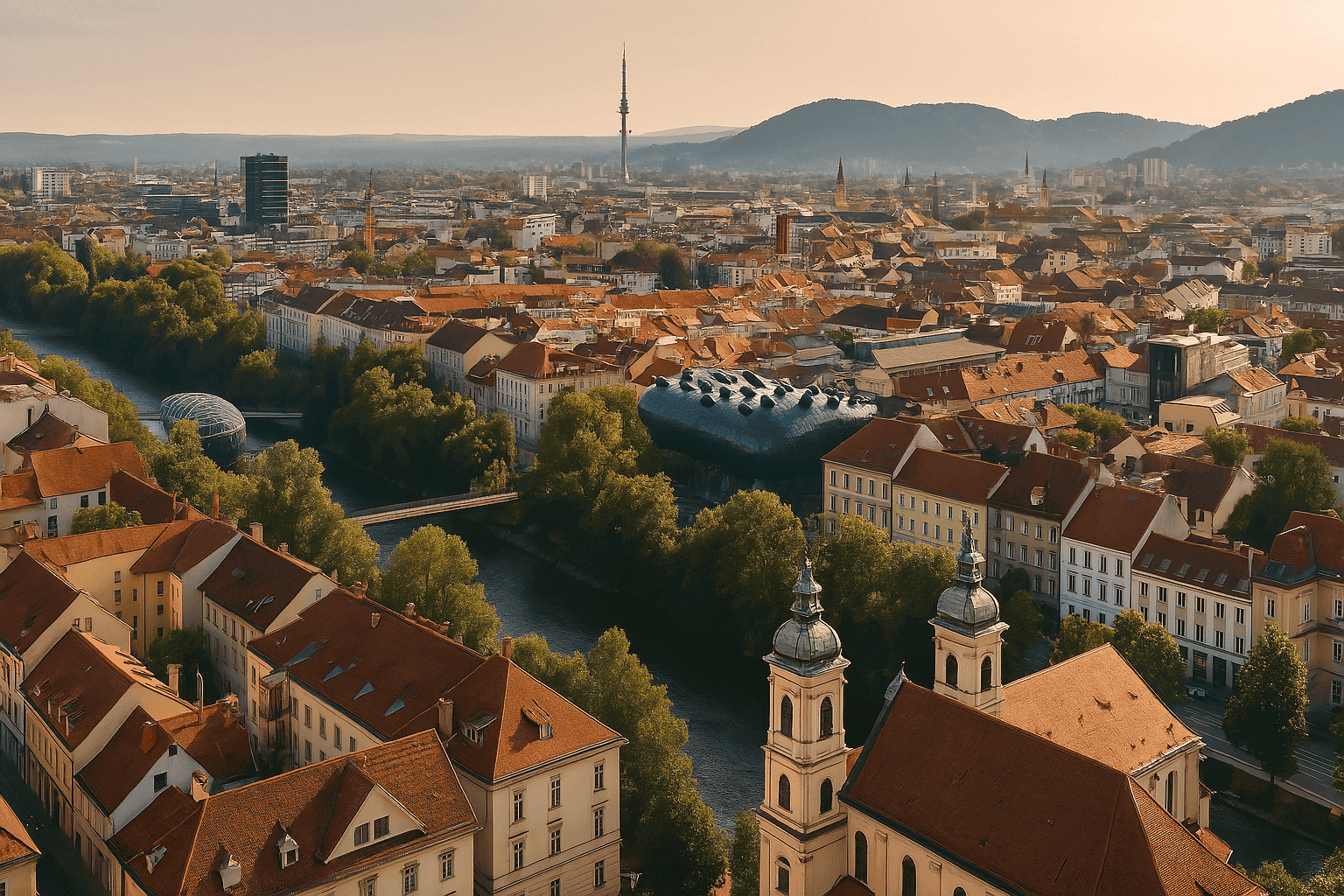 Symbol photo
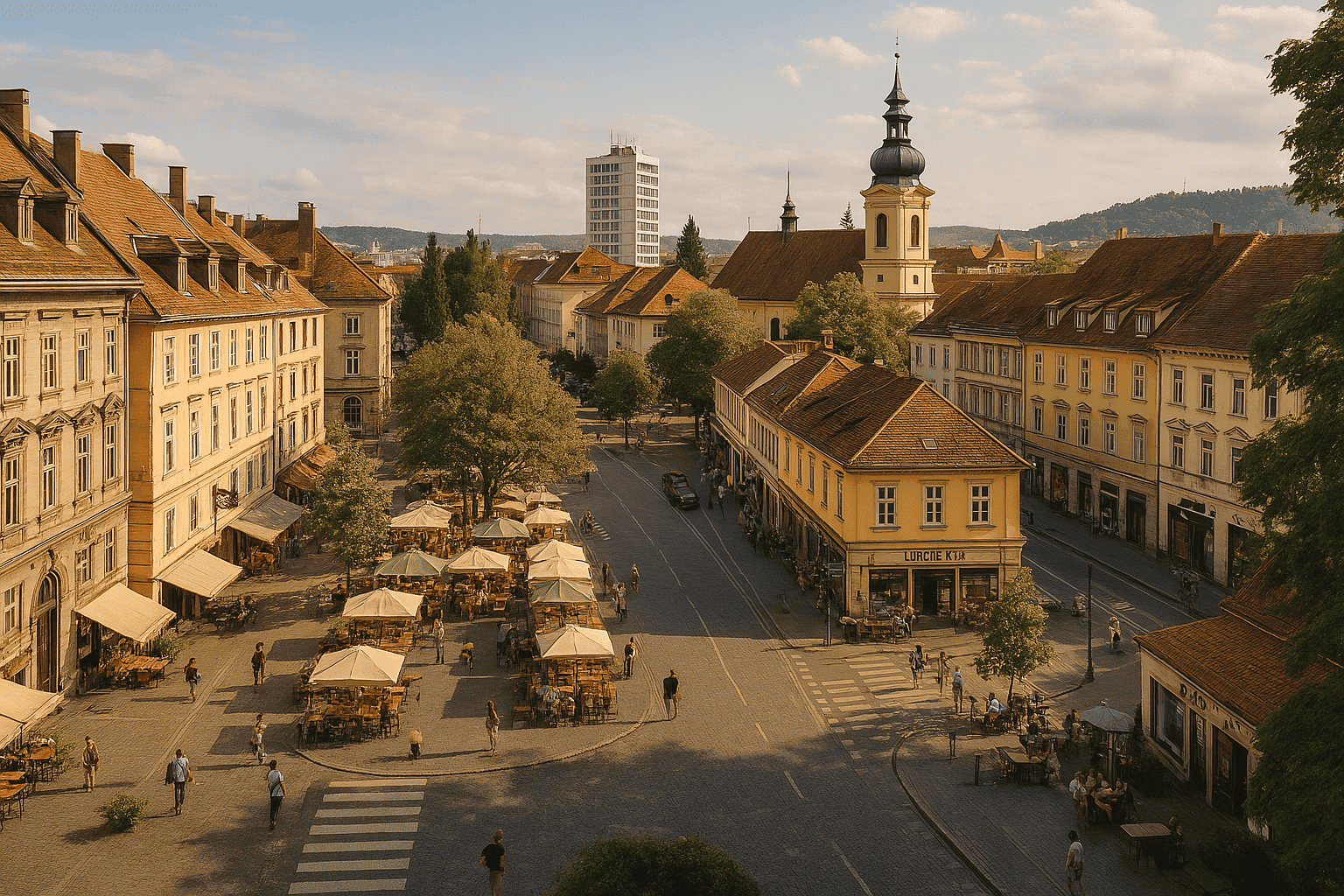 Symbol photo
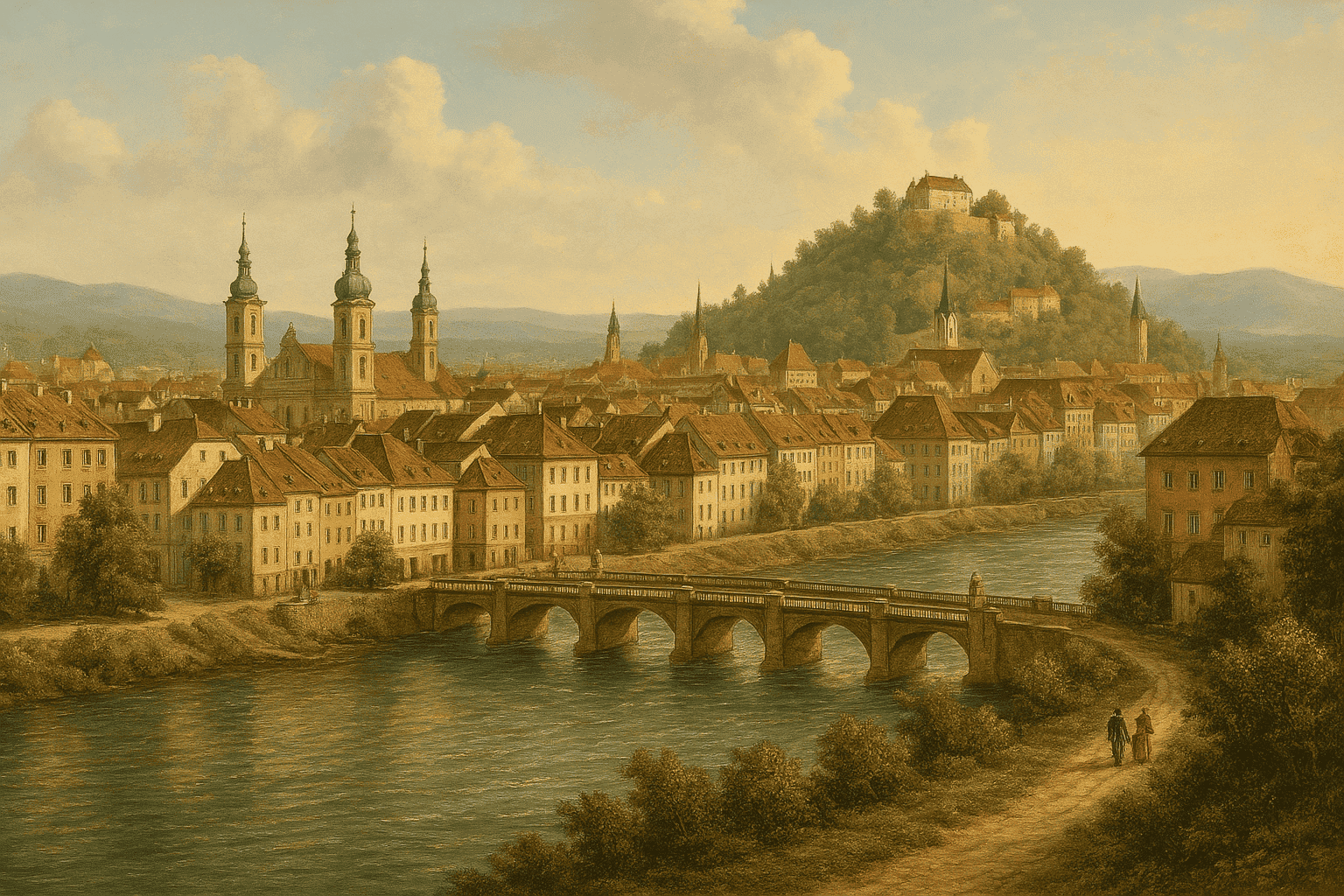 Symbol photo
From the 1990s onwards, Lend began to reinvent itself. With the city’s cultural boom – not least through the Kunsthaus Graz (opened 2003) and the Appointment of Graz as European Capital of Culture – the district's creative potential also grew. Young artists, designers, students, and entrepreneurs discovered the affordable spaces and the special charm of Lend.
Galleries, pop-up stores, cafés, studios, and co-working spaces were created. At the same time, Lendplatz was modernized, residential buildings were renovated, and new architecture was harmoniously integrated into the historic cityscape.
Today, Lend represents a fascinating mix of old and new: historic buildings next to modern architecture, a traditional farmers' market next to a street food truck, a hipster café next to social housing. The district has become Hotspot for culturally interested people, creatives and city explorers developed – without forgetting its roots.
Anyone who wants to experience Graz's history firsthand should not miss Lend. Between Lendplatz, Mariahilferstraße, and Murinsel, past and present can be experienced at every turn.
There's a story behind every street, every square, and every building. If you want to learn more about Graz's hidden past, our newsletter is perfect for you.
Once a month, you'll receive exciting finds, forgotten anecdotes, and historical insights directly in your inbox—compact, well-researched, and told with love for the city.

 English (UK)
  Deutsch
  Italiano
  Français
  Slovenščina
  Español
  Magyar
  Čeština
  Polski