The Graz district Ream is located in the east of the city – nestled between the Leechwald forest, the State Psychiatric Hospital, and the city limits. Today, Ries is primarily known as a quiet residential area with plenty of nature. But behind its green appearance lies a rich history: From an agricultural area to the construction of important infrastructure projects to the modern outskirts of the city, Ries has undergone constant change. In this article, we look back at these historical developments – and show why a visit to Ries is not only scenically attractive, but also historically fascinating.
In the east of Graz, where the city slowly turns into wooded hills, lies the district Ream – an area with a long history and a unique character. Ries was characterized by agriculture for centuries, remained undeveloped for a long time, and only later developed into a populated urban outskirts. Today, the district combines nature, history, and medical infrastructure in a unique way – an exciting place for anyone who wants to explore the quiet, green city of Graz away from the city center.
The history of Ries goes back to Middle Ages The first written records date back to the 14th century. At that time, the area was inhabited by scattered isolated farms, Small settlements and Forestry The people lived here in isolation, often in very simple conditions, farming, keeping livestock and using the nearby Leechwald for firewood production.
The name “Ries” is often derived from the Middle High German word Ris – a reference to “bushes” or “undergrowth” – and refers to the original landscape form: wild, wooded, close to nature.
A significant turning point in the history of the district occurred in late 19th century with the construction of the Sigmund Freud State Psychiatric Hospital (formerly Graz State Mental Hospital-Ries)The extensive facility was built on a high plateau and set new standards in psychiatry. The clinic became a regional center for mental health and shaped the district's identity – both economically and architecturally.
Staff apartments, utility buildings and the first residential areas were built around the hospital grounds – the once isolated location gained an urban dimension for the first time.
 Symbol photo
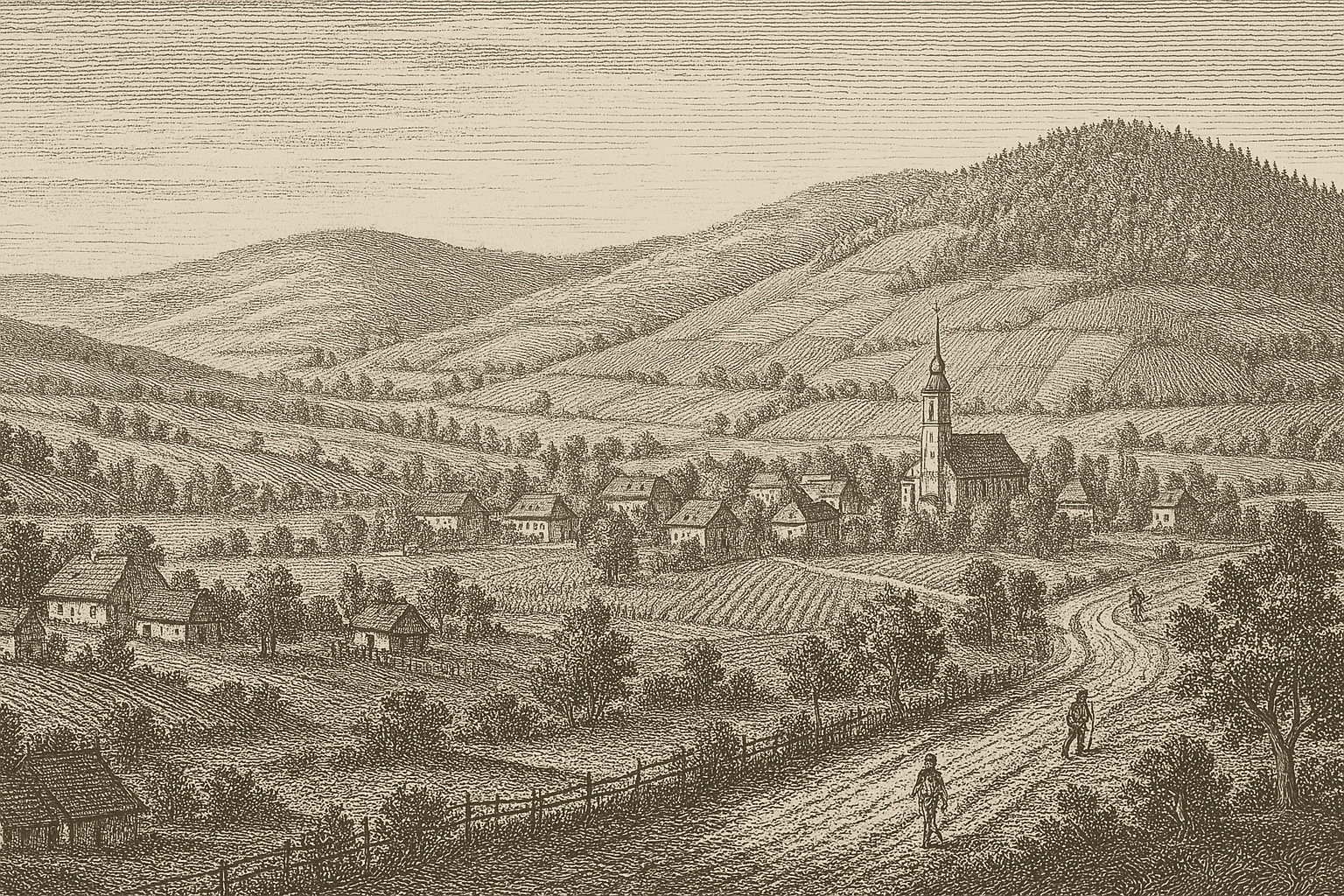 Symbol photo
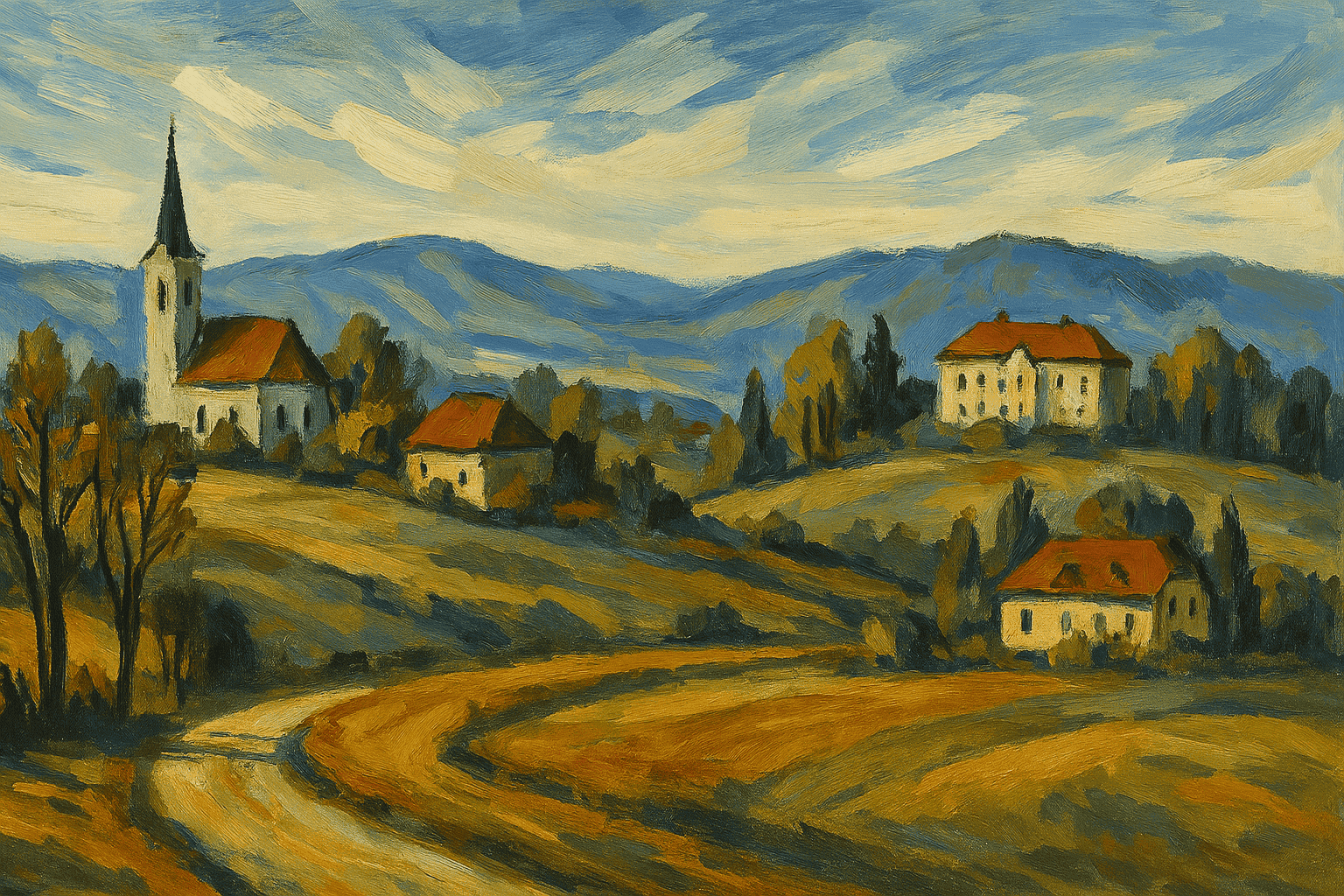 Symbol photo
During the 20th century, Ries was gradually integrated into the city of Graz. Through the expansion of the streets and the improved connection to the city center (e.g. via Riesstraße), new residential buildings, allotment gardens and Single-family homes. Nevertheless, Ries always remained a quiet, nature-oriented district, far away from dense development.
Some areas are still sparsely populated today – with plenty of space between the houses, surrounded by Forest, meadows and vineyardsThe rural character was preserved, even though Graz was getting closer.
The district Ries is particularly attractive for visitors: walks through the Leechwald, historic clinic buildings, quiet chapels and an impressive hillside location overlooking the Schlossberg make Ries an ideal place for anyone who wants to combine history and nature.
If you want to experience Graz away from the hustle and bustle, you will find a District full of contrastsBetween pioneering psychiatric work, a rural past and modern living culture, Ries shows how multifaceted a city outskirts can be.
There's a story behind every street, every square, and every building. If you want to learn more about Graz's hidden past, our newsletter is perfect for you.
Once a month, you'll receive exciting finds, forgotten anecdotes, and historical insights directly in your inbox—compact, well-researched, and told with love for the city.


 English (UK)
  Deutsch
  Italiano
  Français
  Slovenščina
  Español
  Magyar
  Čeština
  Polski