The district Jakomini is the lively center between the old town and the outskirts – busy, diverse, and full of history. The famous Jakominiplatz has been one of Graz's most important transportation hubs for over a century, reflecting the dynamic character of the district. But Jakomini is more than just transit—it's a historically evolved district that combines commerce, military history, and modern urbanity. In this article, we take a look at the district's dynamic development—from its military origins to today's city center, brimming with pace, culture, and character.
The district Jakomini is located southeast of Graz's Old Town and is today one of the most central and dynamic districts of Graz. Known for the Jakominiplatz As a transport hub, the district is often perceived as a functional transit point – but Jakomini has a complex history shaped by military installations, industrialization and urban growth.
In the 18th and 19th centuries, the area of today's Jakomini was still largely undeveloped and was used primarily for military purposes. Large areas served as Parade grounds for the imperial army. Barracks and training fields were built, including the later well-known Franz Ferdinand BarracksThe district was part of the urban area and was strategically located between the Mur and the road to the east.
This military character dominated the area for decades and initially hampered civilian development. Only with the decline of the military presence did the area open up to residential and commercial development.
With the arrival of the industrialization Jakomini developed rapidly. Due to its proximity to the newly constructed Graz main station and the construction of the Southern Railway Line (1850s) the district was used for Commerce, trade and logistics interesting.
At the same time, the present Jakominiplatz a traffic junction that still serves as a central interchange point for public transport. Horse-drawn buses and later electric trams ran here as early as the end of the 19th century. Jakomini was thus a link between the old town and the southern districts.
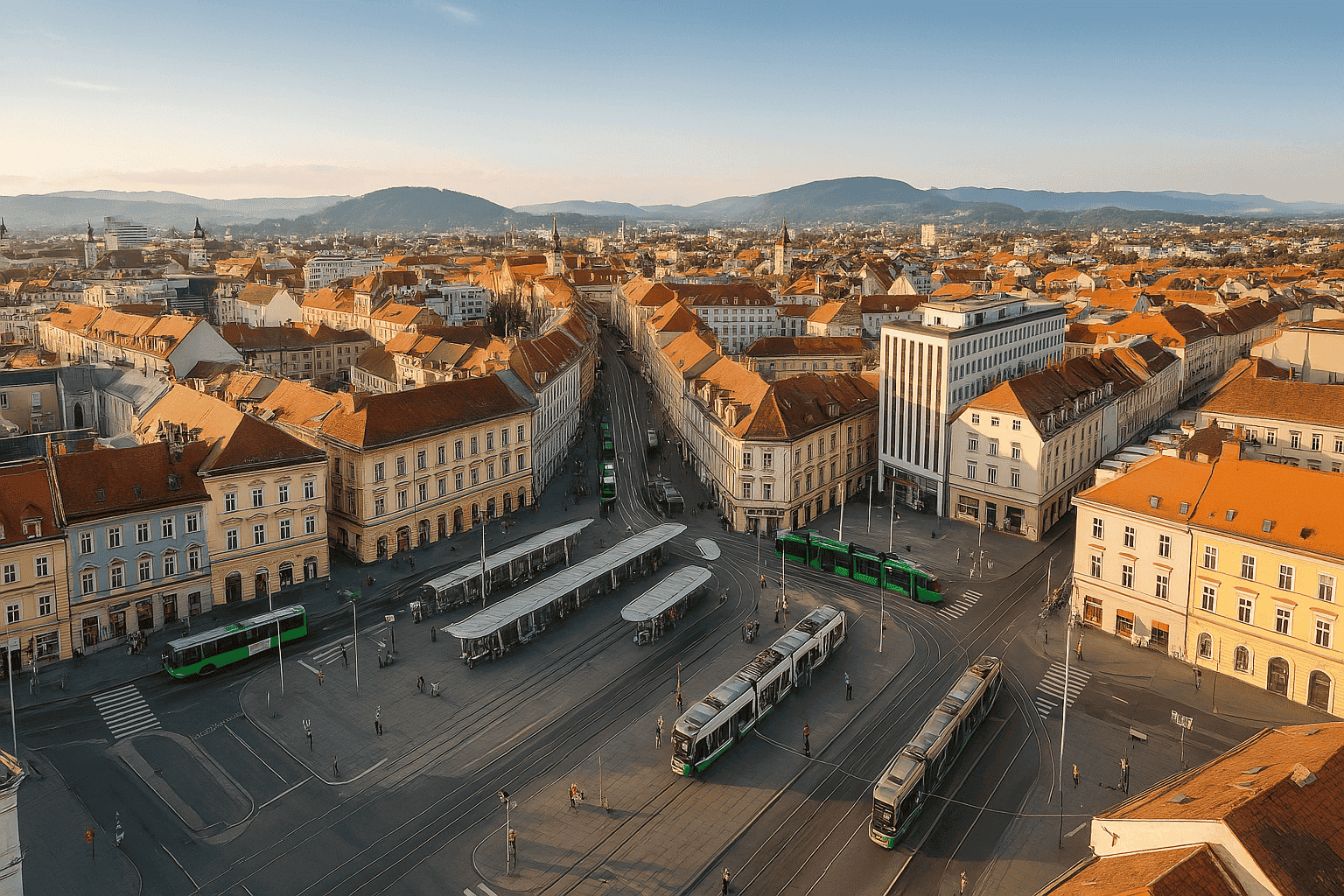 Symbol photo
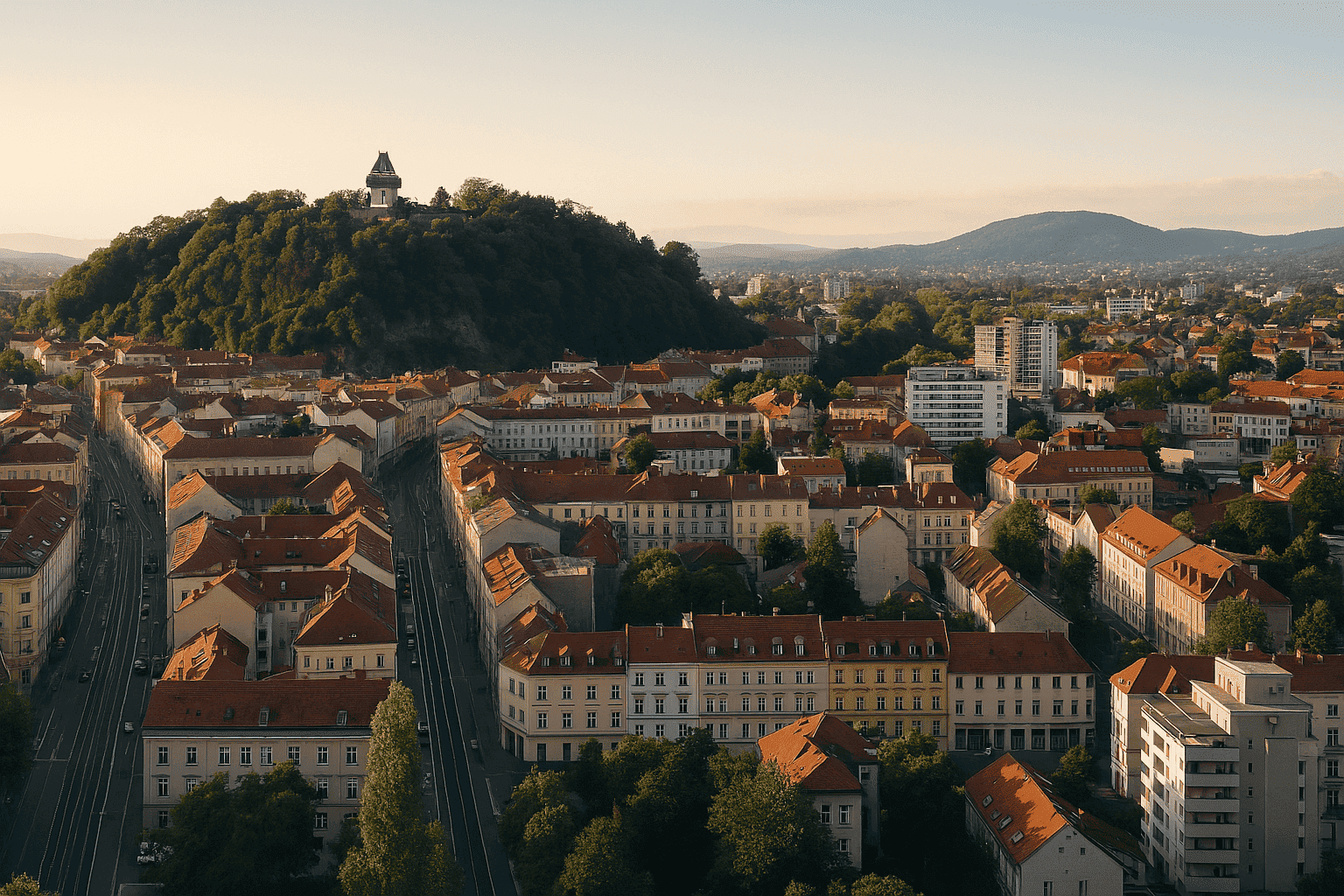 Symbol photo
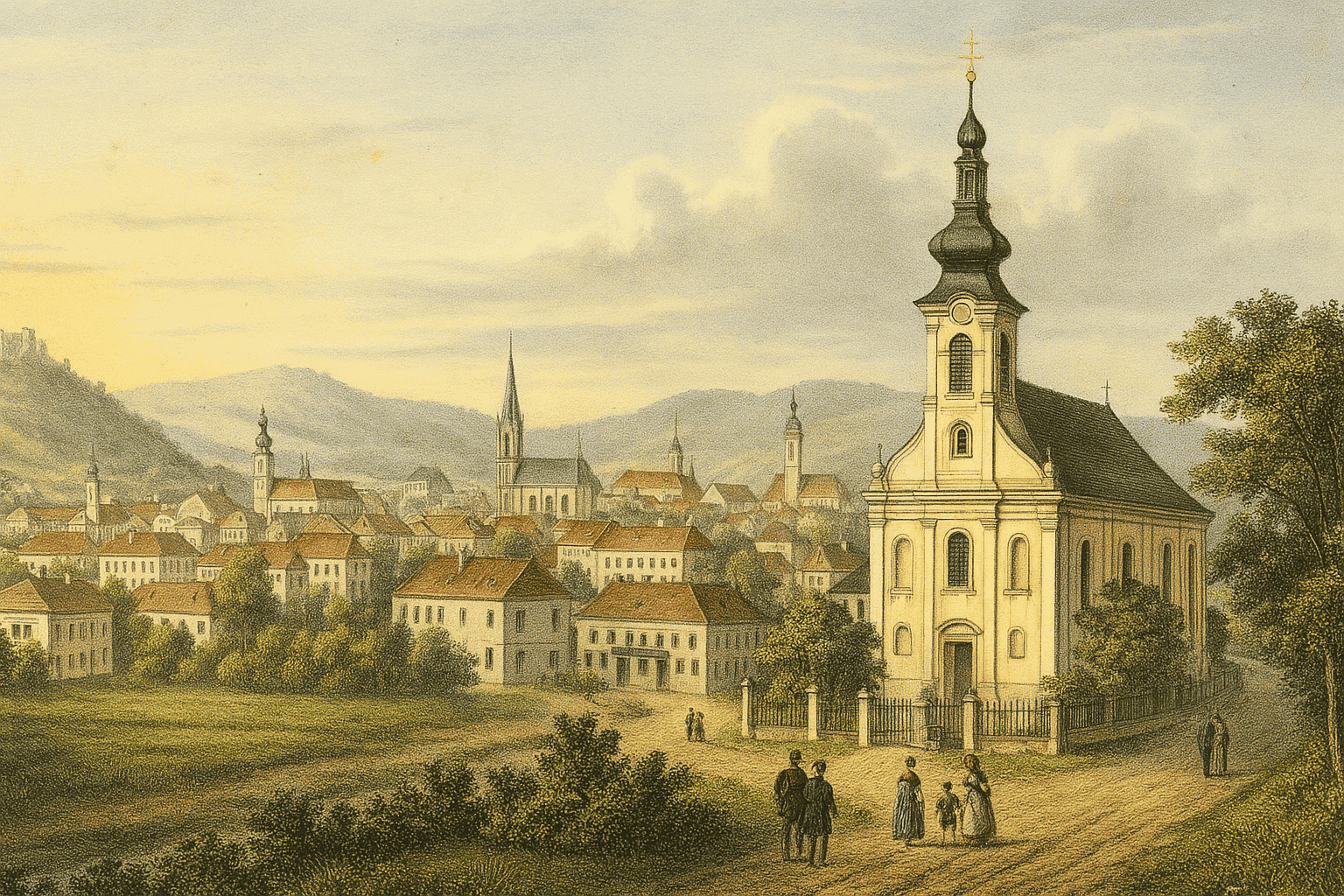 Symbol photo
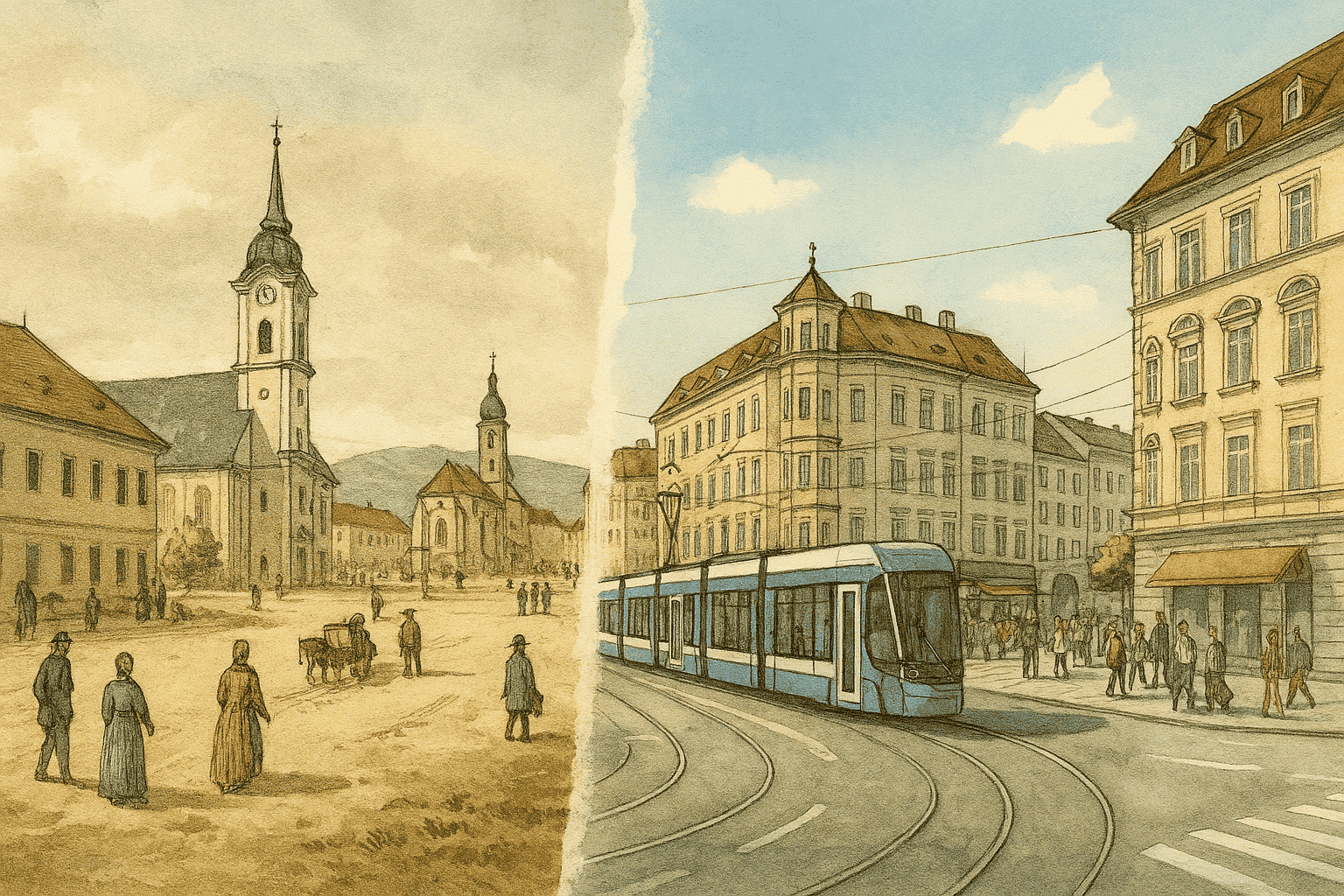 Symbol photo
From the early 20th century onwards, Residential buildings, commercial areas and administrative buildingsThe proximity to the city center and the well-developed transport network made Jakomini attractive for businesses and new housing projects.
During the Second World War, the district was also affected by destruction, but recovered quickly and became a important administrative and business districts. Large institutions such as the WKO Styria, Dishes and Insurance moved into their location here.
At the same time, the area around the City Park, the opera and the Herrengasse into an urban recreational and cultural area.
Today, Jakomini is one of the most vibrant districts in Graz. It connects History with urban modernity, houses shopping areas, offices, educational institutions and some of the city's most important public transport routes.
The Jakominiplatz itself symbolizes the district’s self-image: constantly in motion, yet deeply rooted in the city's history. Between tram tracks, modern architecture, and traditional old buildings, visitors discover a piece of Graz that is alive, vibrant—and constantly in motion.
There's a story behind every street, every square, and every building. If you want to learn more about Graz's hidden past, our newsletter is perfect for you.
Once a month, you'll receive exciting finds, forgotten anecdotes, and historical insights directly in your inbox—compact, well-researched, and told with love for the city.


 English (UK)
  Deutsch
  Italiano
  Français
  Slovenščina
  Español
  Magyar
  Čeština
  Polski