The Graz district St Peter's is far more than just a quiet residential area—it's a place with a fascinating history, charming walking paths, and architectural witnesses to past centuries. Once dominated by agriculture, St. Peter has developed over time into a popular district with a high quality of life. The mix of tradition and modernity, historic buildings such as the Baroque parish church St. Peter, and green recreational areas make the district particularly attractive to visitors. Those who want to explore Graz away from the hustle and bustle of the Old Town will find quiet treasures and cultural insights into the city's development here.
The district St.Peter Located in the southeast of Graz, today it is a diverse district with quiet residential areas, spacious green spaces, and historic highlights. Originally a rural area with a monastic character, St. Peter has developed over the centuries into a desirable residential area with high recreational value. Visitors find not only tranquility here, but also fascinating historical traces and architectural treasures.
The origins of St. Peter go back a long way – the district owes its name to the St. AbbeyPeter, which was already mentioned in written sources in the Middle Ages. Today's Monastery of St. Peter and Paul shaped the spiritual, cultural, and economic life of the district for centuries. Simple rural structures clustered around the monastery: fields, forests, and scattered settlements dominated the landscape.
Particularly attractive for today's walks are the old wayside crosses, stone walls and the proximity to the Leechwald, which bring the historical character of the area to life.
In the 19th and early 20th centuries, the wealthy middle class discovered the quiet location of St. Peter. Numerous Villas with spacious gardens Many of them were built in the Wilhelminian or Art Nouveau style. Some of these stately buildings still survive today and give the district its elegant flair.
With the continued growth of the city of Graz, St. Peter was gradually incorporated and developed with infrastructure – initially with road connections, later with bus and rail lines. Nevertheless, the district retained an almost village-like character in some corners.
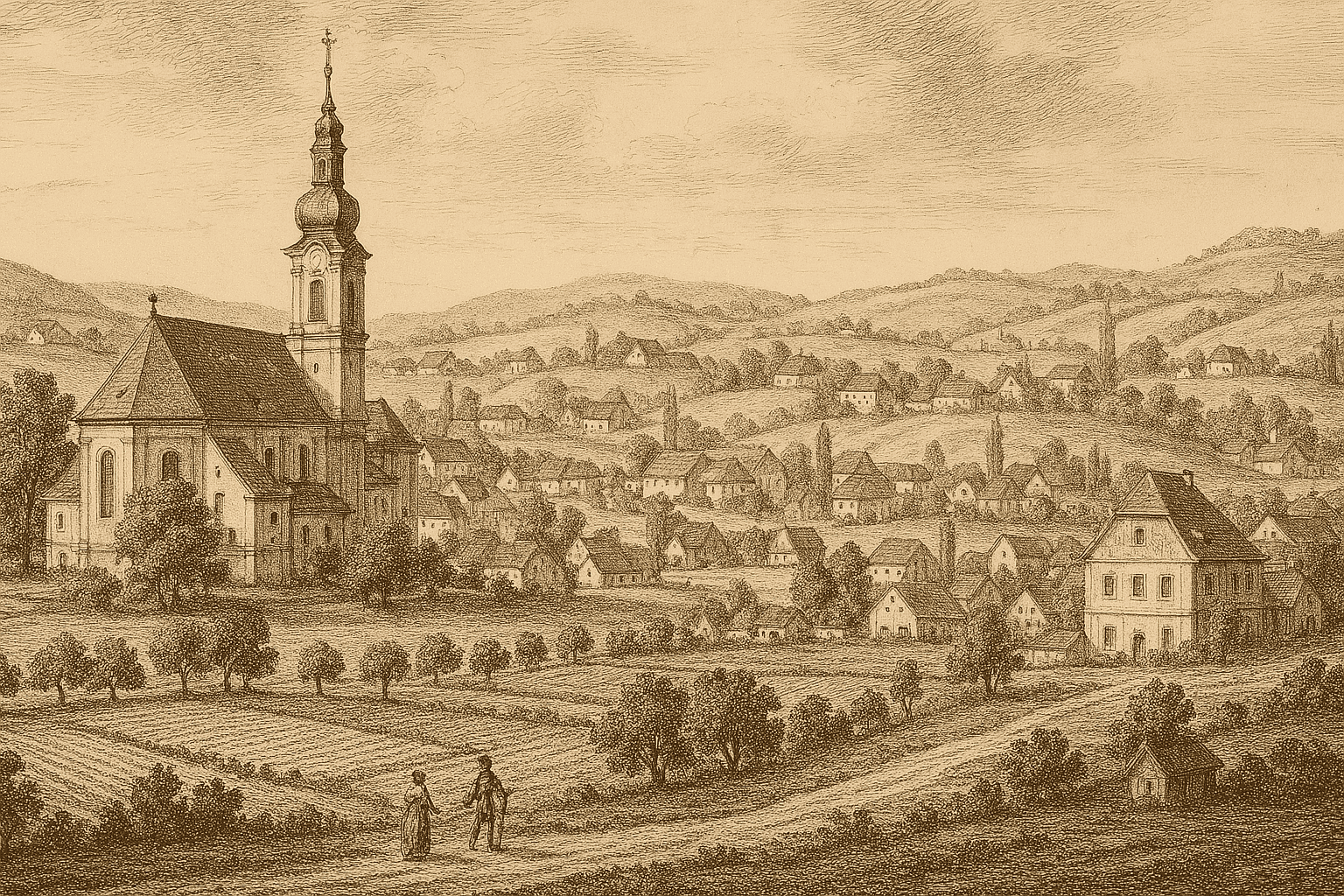 Symbol photo
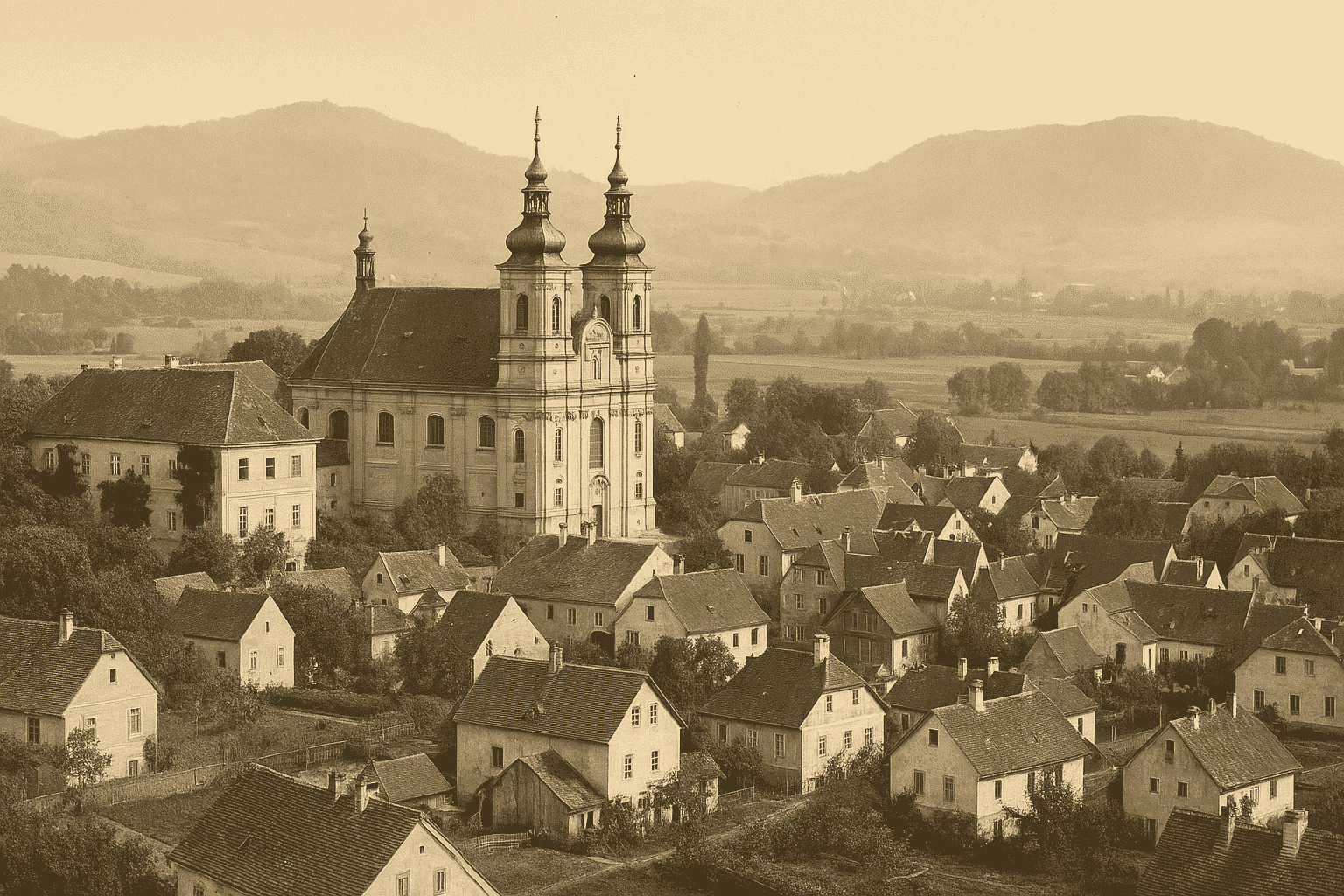 Symbol photo
 Symbol photo
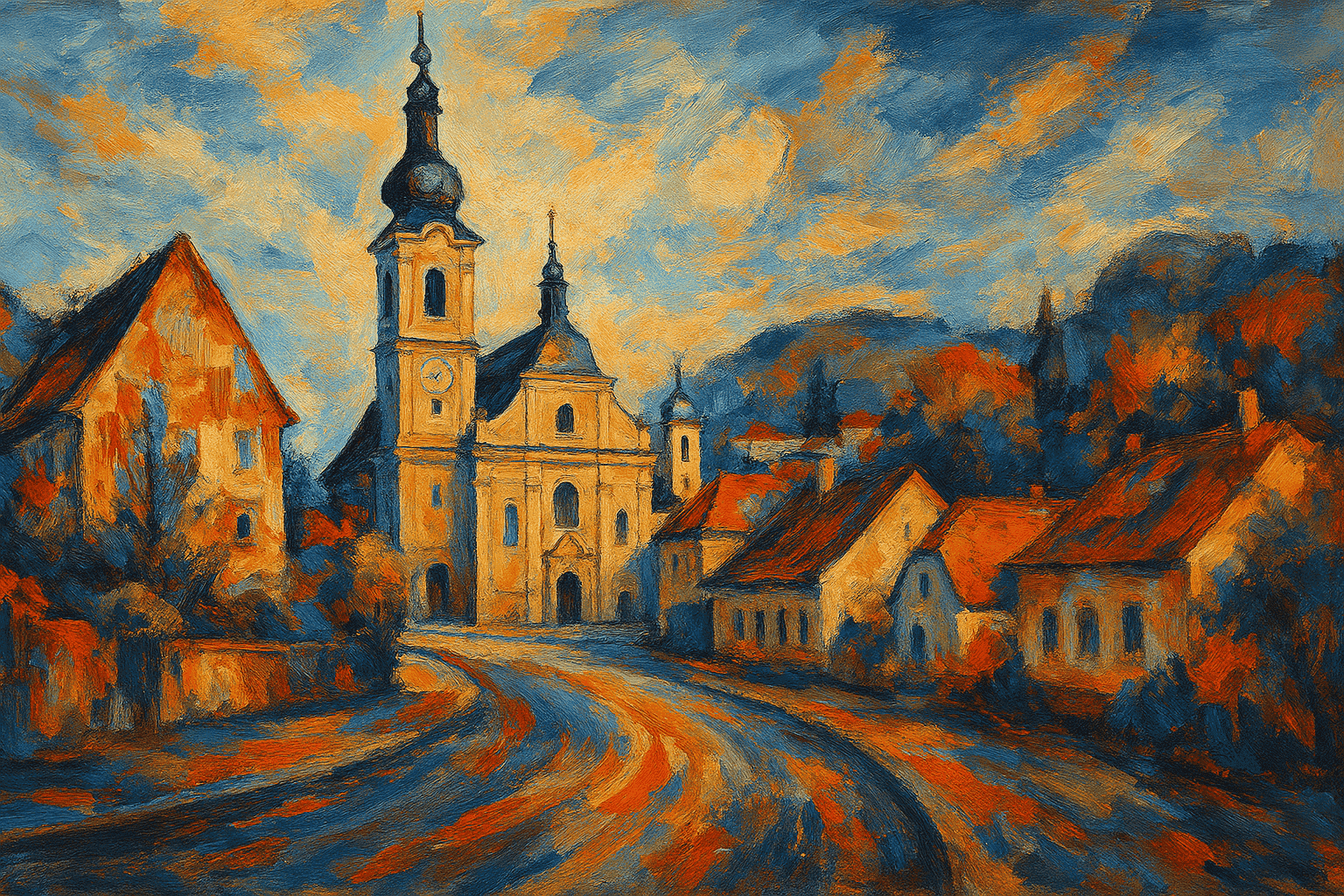 Symbol photo
An important chapter in the development of St. Peter is its role as educational location: The Styrian University of Teacher Education as well as several high schools and educational institutions make the district interesting for students and teachers.
The connection between history and education is particularly reflected around the monastery complex, where one can feel the fusion of tradition and modernity at every turn.
Despite urbanization, St. Peter scores with a surprisingly high Green space: From the Ragnitzbach to the foothills of the Stiftingtal There are numerous paths for walking, cycling or simply taking a breather. A visit to the Botanical Garden of the University of Graz, which is officially just outside, but can be easily reached on foot or by bike.
For nature lovers who would like to experience Graz in a more peaceful setting, St. Peter is an ideal starting point – whether for a leisurely stroll through the residential areas or for a detour into the countryside.
Today, the district of St. Peter is a successful Mixture of history, nature and modern quality of lifeArchitectural diversity, educational institutions, quiet residential streets, and traditional buildings make it an exciting destination for anyone who wants to experience Graz away from the tourist crowds.
Whether exploring the old monastery complex, strolling through the villa district, or visiting a café in the countryside – St. Peter invites you to discover the hidden sides of Graz.
There's a story behind every street, every square, and every building. If you want to learn more about Graz's hidden past, our newsletter is perfect for you.
Once a month, you'll receive exciting finds, forgotten anecdotes, and historical insights directly in your inbox—compact, well-researched, and told with love for the city.


 English (UK)
  Deutsch
  Italiano
  Français
  Slovenščina
  Español
  Magyar
  Čeština
  Polski