Puntigam is the southernmost district of Graz – and one that combines history with industry and urban development. It is particularly known for its traditional Puntigam Brewery, which has shaped the image of the district for decades. But the district has much more to offer: old workers' settlements, traces of former transport routes, vibrant neighborhoods, and an exciting transformation from an industrial area to a modern residential and commercial location. Puntigam is an insider tip for visitors – away from the hustle and bustle, but full of history. Those who want to get to know the other Graz will find witnesses to the past, green recreation, and authentic everyday culture here.
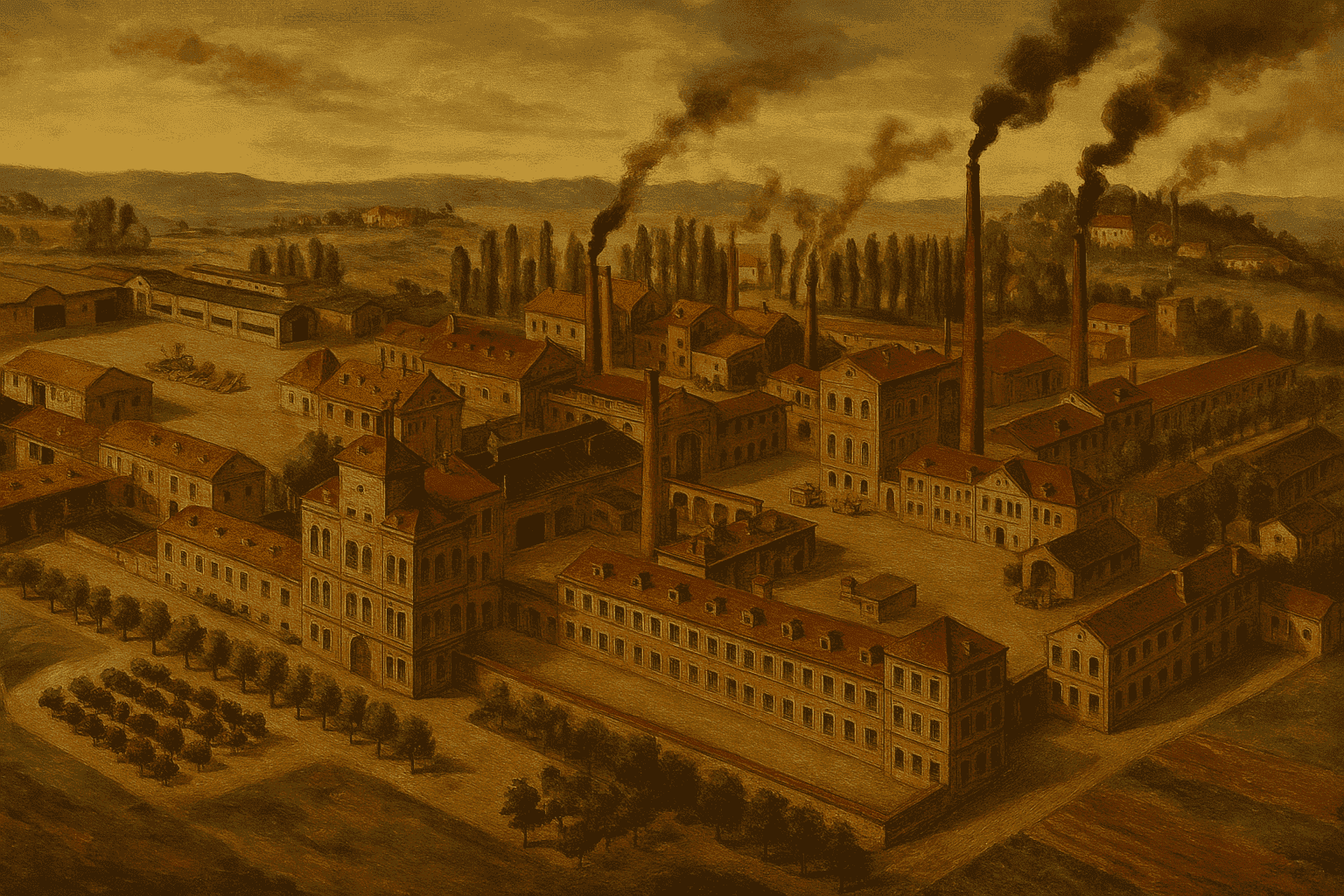
Puntigam is located south of Graz and was a small scattered settlement in the Murfeld region until the 20th century – characterized by agriculture, isolated businesses, and its proximity to the Mur River. The major change came with the founding of the Puntigam Brewery in 1838. It quickly became one of the most important industrial enterprises in Styria and continues to shape the name of the district to this day.
The striking brick buildings, the brewhouse with the clock tower and the impressive storage cellars are symbolic of the industrial past of the city of Graz. industrial culture the region will find one of its most authentic examples here.
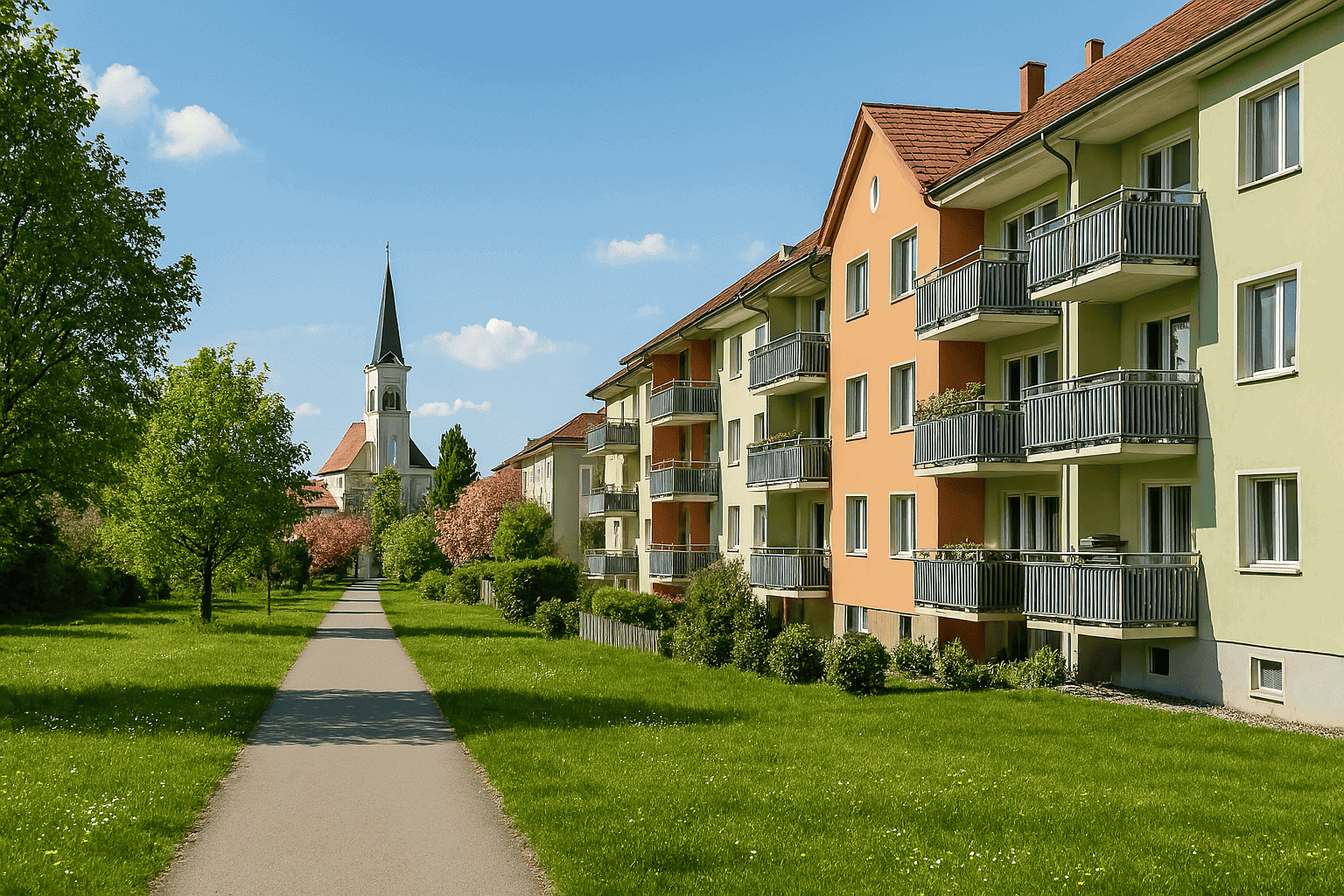
Its location on the Triester Straße and later the railway made Puntigam a transportation hub early on. Old inns, road maintenance depots, and small businesses settled along the main route to the south. Over time, workers' housing, workshops, and the first residential areas emerged around the brewery and along the railway line.
Many of these buildings still tell of everyday life in a time when work and living were closely linked – and the journey to work was only a few steps away.
 Symbol photo
 Symbol photo
 Symbol photo
Until 1938, Puntigam was part of the then municipality of Straßgang. Only with its incorporation into Graz and subsequent separation as a separate municipal district in 1988 did Puntigam become visible as an independent entity. Much has changed since then: New residential buildings, business parks, shopping areas, and transport hubs such as the Puntigam transport hub have shaped the district's image.
Despite all the development, much has been preserved – from the historic brewery buildings to small churches, old single-family homes and established settlement structures.
Anyone visiting Puntigam quickly senses the mix of productive past and contemporary dynamism. In addition to the brewery, there are small parks, green residential areas, and walking paths along the Mur River. The district is not a classic tourist destination – but that is precisely what makes it exciting: Here, you can discover a piece of Graz far from the old town get to know someone who has remained down to earth.
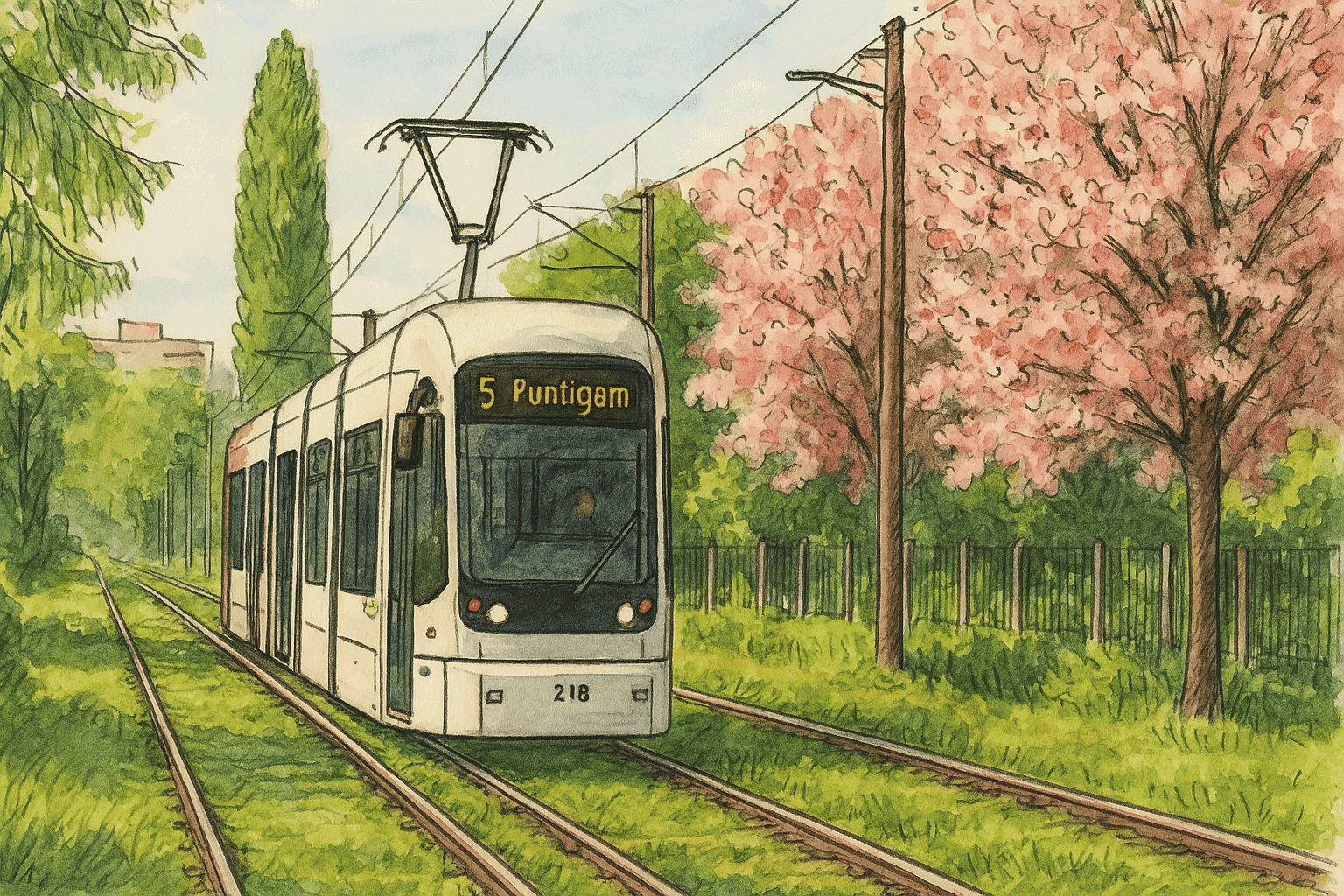
The brewery is still in operation today – its silhouette and aroma are as much a part of the cityscape as the sounds of the tram that has been running to Puntigam for decades.
Puntigam stands for transformation: from a village to an industrial center, from a working-class district to a diverse urban area. Anyone curious about Graz beyond the Schlossberg and the Old Town will find a district with its own rhythm, historical depth, and a name known beyond the city limits.
There's a story behind every street, every square, and every building. If you want to learn more about Graz's hidden past, our newsletter is perfect for you.
Once a month, you'll receive exciting finds, forgotten anecdotes, and historical insights directly in your inbox—compact, well-researched, and told with love for the city.

 English (UK)
  Deutsch
  Italiano
  Français
  Slovenščina
  Español
  Magyar
  Čeština
  Polski