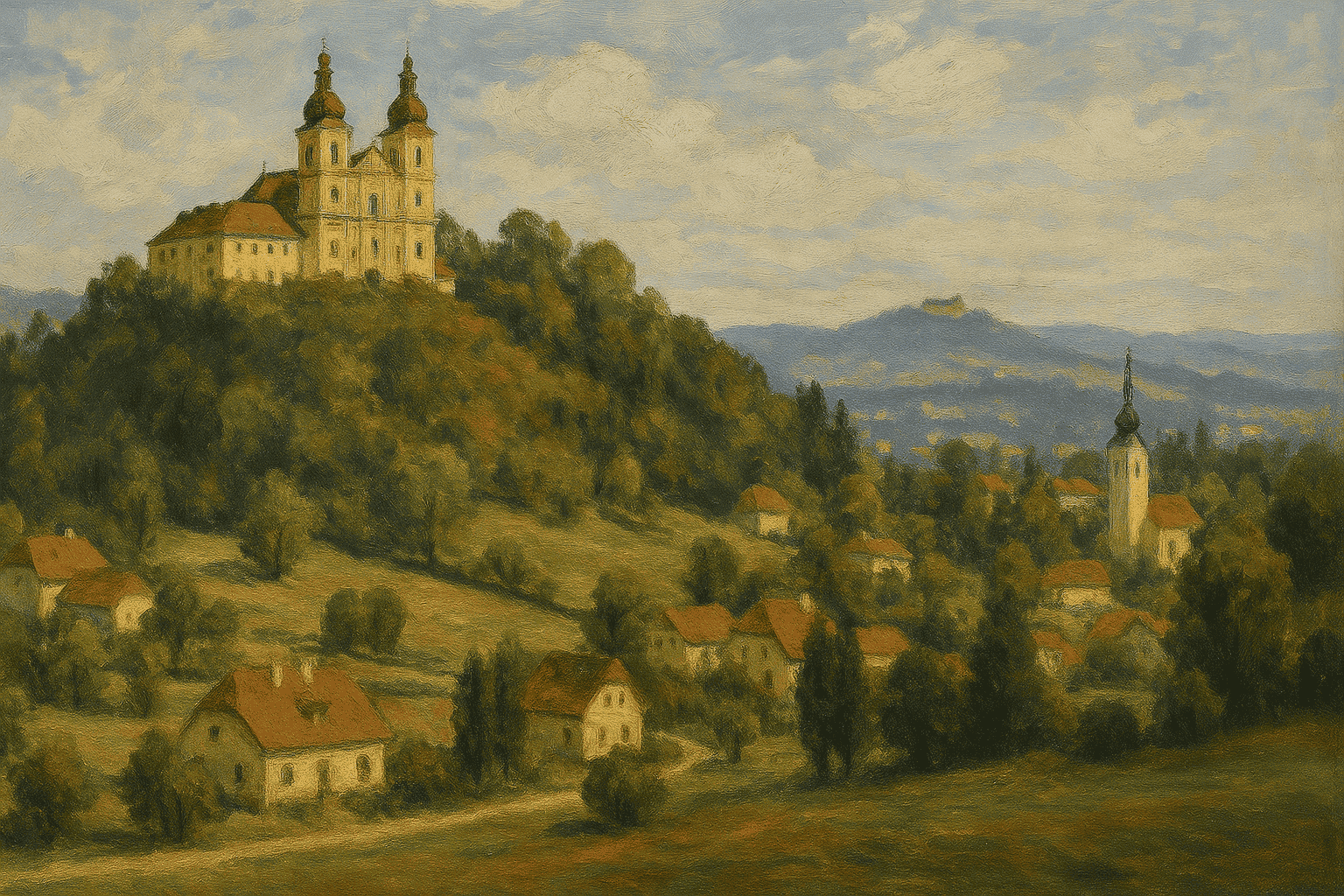
The district Mariatrost in the east of Graz is known for its picturesque location on the edge of the Leechwald and the baroque pilgrimage churchBut this district has more to offer than just idyllic landscapes: From a rural outskirts to a modern district, Mariatrost is a place in transition. With its historic buildings, the famous Mariatroster Street and the green hills, the district offers an exciting mix of tradition and contemporary life.
The district Mariatrost in the east of Graz is not only scenically attractive, but also looks back on a long history. With its famous pilgrimage church and the rolling hills that nestle against the Leechwald forest, Mariatrost is a place in transition: from a medieval pilgrimage destination to a modern district with high residential value. In this text, we take a look at the development of Mariatrost and discover how history, nature, and modern quality of life intertwine here.
The history of Mariatrost dates back to 15th century back when the pilgrimage church was built in the middle of the hills. The name "Mariatrost" refers to the Virgin Mary, who was venerated as the Comforter. The church attracted believers from Graz and the surrounding area – and quickly became an important religious center.
Over the years, a small settlement developed around the pilgrimage church, whose economy was primarily based on agriculture and pilgrimage. For many, Mariatrost was a place of contemplation and tranquility, away from the urban hustle and bustle of Graz.
 Symbol photo
 Symbol photo
 Symbol photo
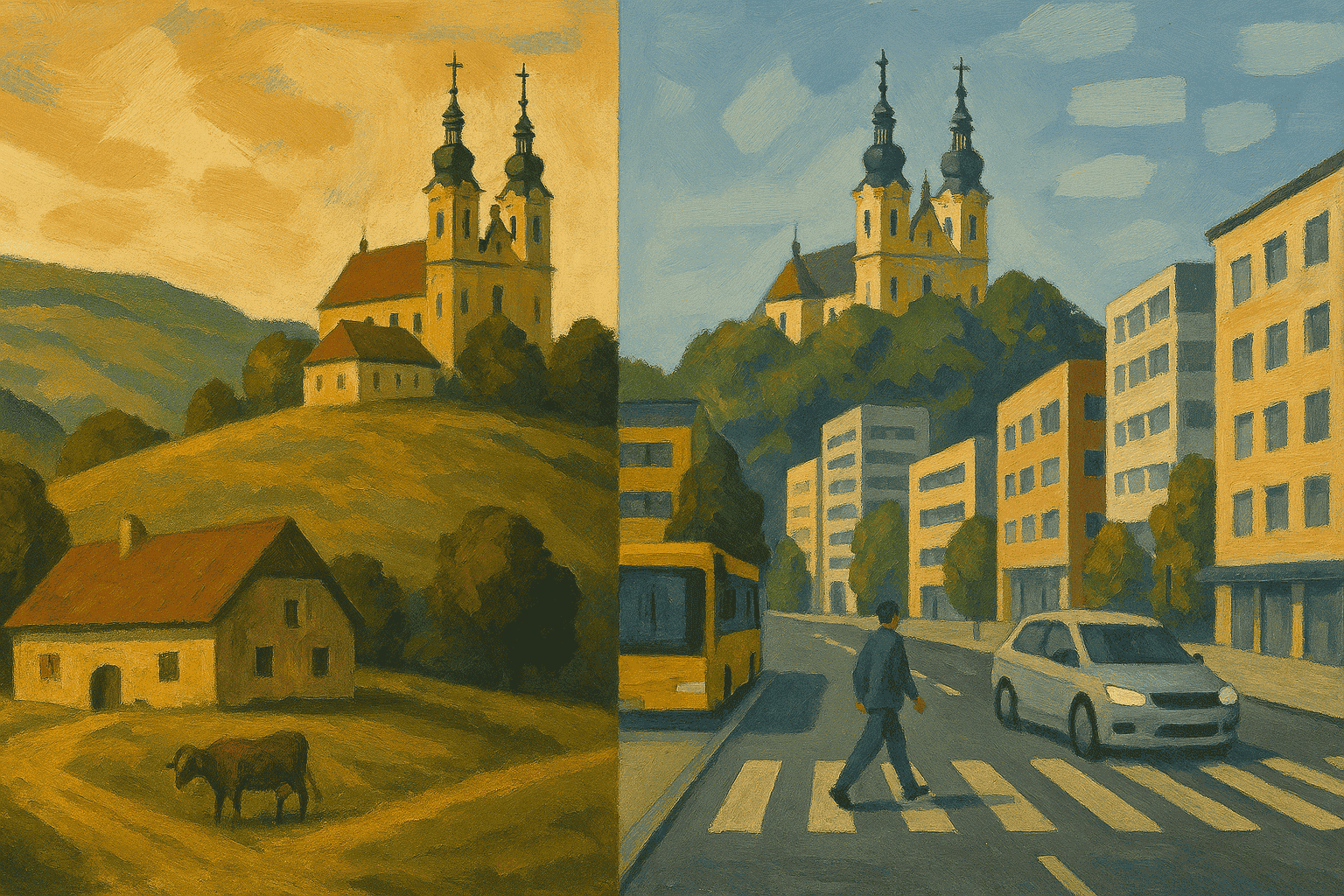
In the 19th century Mariatrost experienced its first change: Due to the increasing urbanization of Graz and the expansion of the infrastructure, the district was increasingly connected to the outskirts of the city. Mariatroster Street, which is now one of the most important traffic arteries in the east of Graz, played a key role in this.
During the industrialization The population of Mariatrost increased as more and more people moved to the city. The agricultural area began to develop with single-family homes and Summer residences which gave the district its current calm and green ambience.
Today, Mariatrost is best known for its Green spaces and natural beauty The district not only offers proximity to the Leechwald, but also numerous leisure activities, such as the Castle Park Mariatrost that attract visitors and residents alike.
The idyllic image of Mariatrost is characterized by its magnificent villas and manicured gardens. At the same time, the district has developed into an attractive residential area for people who want to enjoy the tranquility of a suburb while remaining close to the city. In recent years, many modern residential complexes and Infrastructure projects which characterise Mariatrost as a modern district with a high quality of life.
For visitors, Mariatrost is a place that Tradition and modernity united with each other. The pilgrimage church, the historic buildings and the green surroundings make the district a special destination. At the same time, the district offers a variety of Cultural offerings and Leisure activities, from hikes in Leechwald to events in the historic church.
Mariatrost shows how a historic site can develop into a modern district without losing its roots. If you want to experience Graz off the beaten track, this is the place to be.
There's a story behind every street, every square, and every building. If you want to learn more about Graz's hidden past, our newsletter is perfect for you.
Once a month, you'll receive exciting finds, forgotten anecdotes, and historical insights directly in your inbox—compact, well-researched, and told with love for the city.


 English (UK)
  Deutsch
  Italiano
  Français
  Slovenščina
  Español
  Magyar
  Čeština
  Polski