The Graz district Gries is one of the oldest and most historic districts south of the Mur River. Once upon a time, this was the site of medieval "suburban life" with artisans, traders, and pilgrims traveling south along the Mur. Over the centuries, Gries developed into a center of religious life, trade—but also of contrasts. Today, the district, with its cultural diversity, historic buildings, and eventful past, impressively reflects the transformation of Graz. This article sheds light on the history of Gries—from the early settlements to the modern urban district.
GriesLocated south of the Mur River, it is one of Graz's oldest and most diverse districts. For centuries, it served as the gateway to the city for travelers from the south—a place where trade, crafts, religion, and migration intersected. Today, the district reflects this eventful history in its unique blend of old and new.
Already in the Middle Ages, a small but economically important suburban center developed in the area of today's Gries. The proximity to Mur not only enabled the transport of goods, but also made the district a popular location for Craftsmen, traders and cartersthat reached the city via the south.
The district grew around the important Franciscan monastery, which remains a central element of the district to this day. With the growing number of pilgrims, Gries also became a spiritual center.
In the 17th and 18th centuries, Gries experienced an economic boom, but at the same time increasingly developed into social hotspotWhile wealthy citizens had villas built on the one hand, many working-class families lived in humble circumstances. The district always remained a place of contrasts – characterized by social diversity and strong community.
Especially in the 19th century, Gries was greatly transformed by the expansion of infrastructure (e.g., the railway) and industrialization. New residential buildings, factories, and workshops shaped the cityscape – as did the migration, which gave the district a multifaceted face.
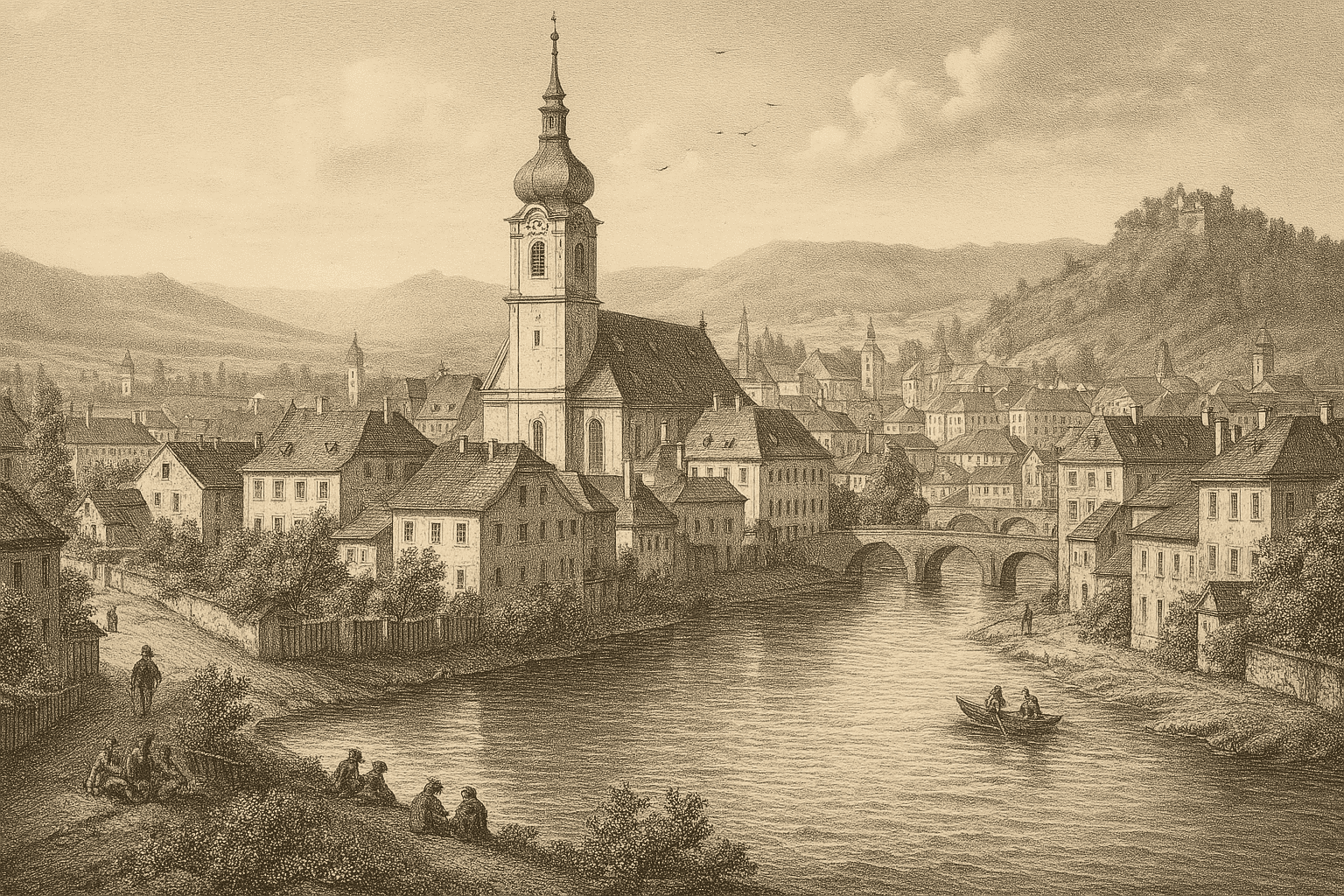 Symbol photo
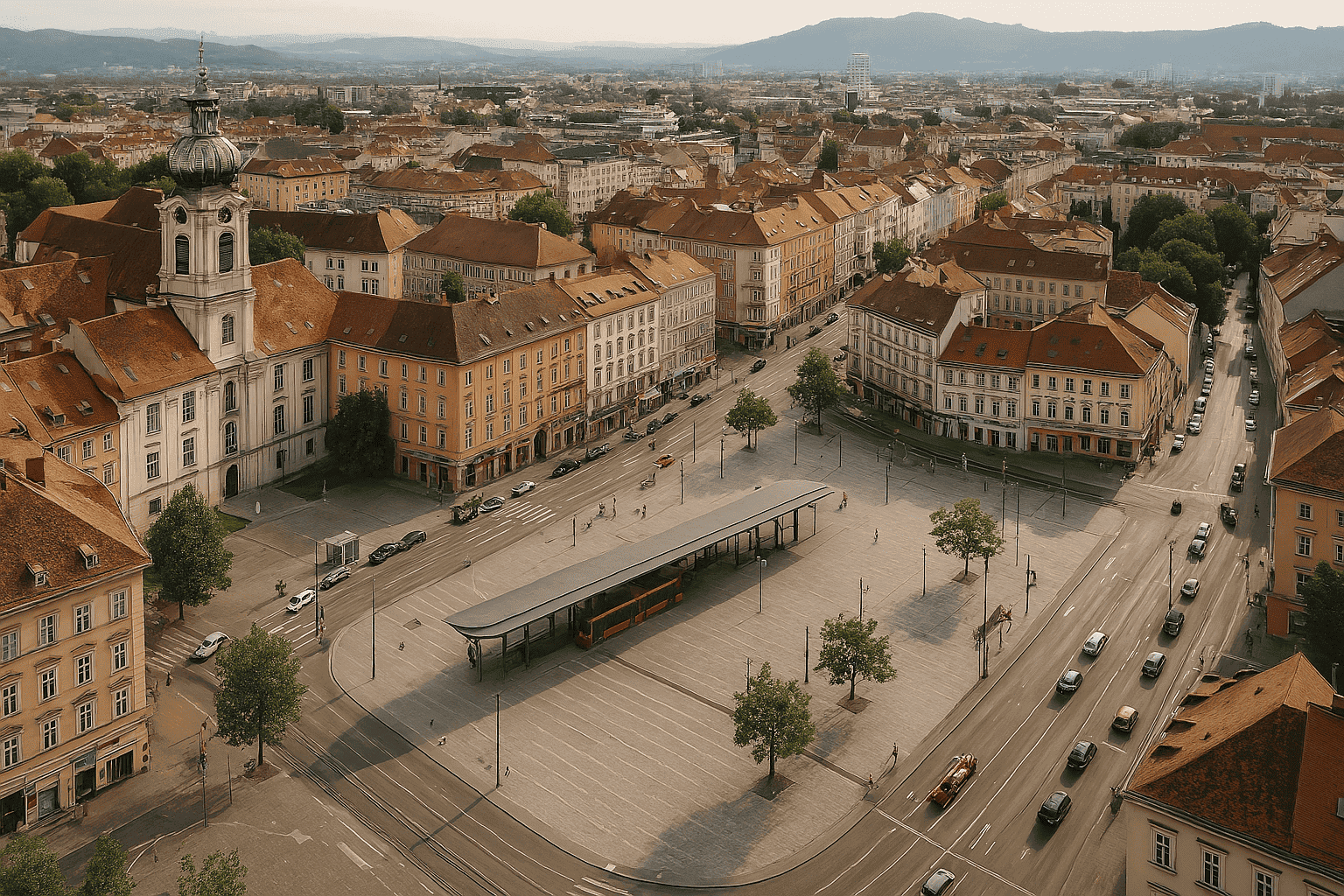 Symbol photo
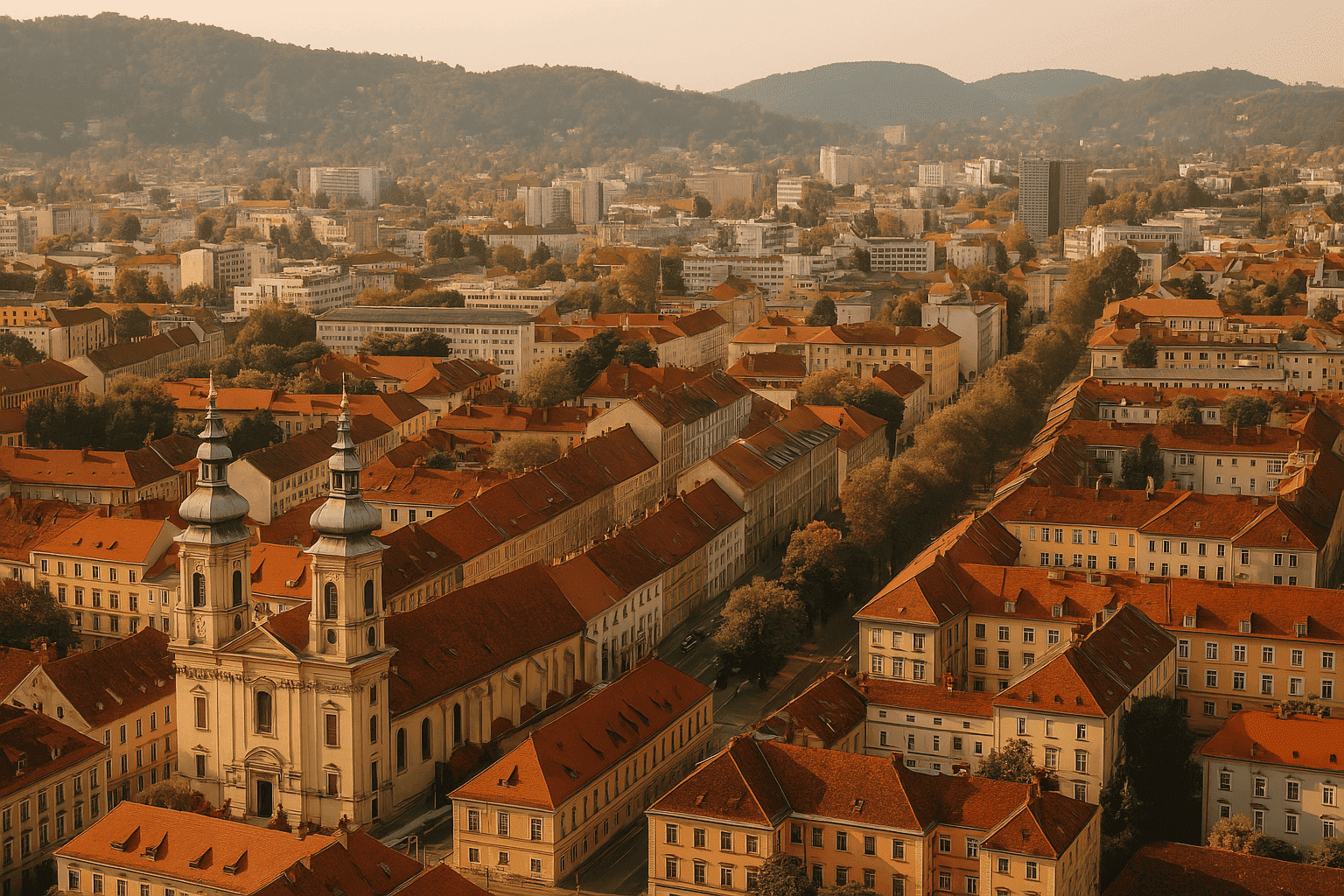 Symbol photo
After the Second World War, Gries became increasingly urban. Many people from Southeast Europe found a new home here, giving the district a colorful, multicultural identity to this day. Griesplatz developed into a social hub and a place of daily life, with markets, shops, and restaurants from all over the world.
At the same time, renovation and urban renewal projects began to preserve historic buildings and create new housing. Churches, monasteries, former industrial facilities, and historic buildings still characterize the cityscape today.
Today, Gries is a district with character: cosmopolitan, vibrant, and historically rich. The mix of historic buildings, intercultural life, and urban change makes the district an exciting destination for visitors who want to explore Graz beyond the traditional Old Town.
Highlights such as the Franciscan Quarter, the Griesgasse, the Murkai or the Church of St. Andrä tell stories from many centuries – and make Gries a place where past and present meet at every turn.
There's a story behind every street, every square, and every building. If you want to learn more about Graz's hidden past, our newsletter is perfect for you.
Once a month, you'll receive exciting finds, forgotten anecdotes, and historical insights directly in your inbox—compact, well-researched, and told with love for the city.


 English (UK)
  Deutsch
  Italiano
  Français
  Slovenščina
  Español
  Magyar
  Čeština
  Polski