St. Leonhard is more than just a quiet residential area—it's a place with deep-rooted history. Nestled between magnificent Wilhelminian-era villas, the iconic St. Leonhard Church, and historic parks, this Graz district presents itself as an elegant retreat steeped in history. In this article, we take a look at the most important historical milestones of St. Leonhard—from its rural beginnings to its development as an upscale urban district with cultural flair.
The Graz district St Leonhard is now one of the most elegant and desirable residential areas in the city – and not without reason. Strolling through the tree-lined avenues, representative Wilhelminian-style villas or take a look at the historical Leonhard Church immediately feels: there is history in every stone.
The origins of St. Leonhard date back to Middle Ages Originally a rural settlement on the outskirts of Graz, the area around today's Leonhardstraße developed along important trade routes. The first documented mention dates back to 13th century, when the little Leonhard Church became an important spiritual center – and remains a landmark of the district to this day.
In the 19th century, St. Leonhard experienced profound change. With the economic boom and increasing urbanization of the city, the wealthy middle class discovered the quiet location of the district for themselves. spacious villa buildings, elaborately designed gardens and refuges close to the city, which still characterise the image of St. Leonhard today.
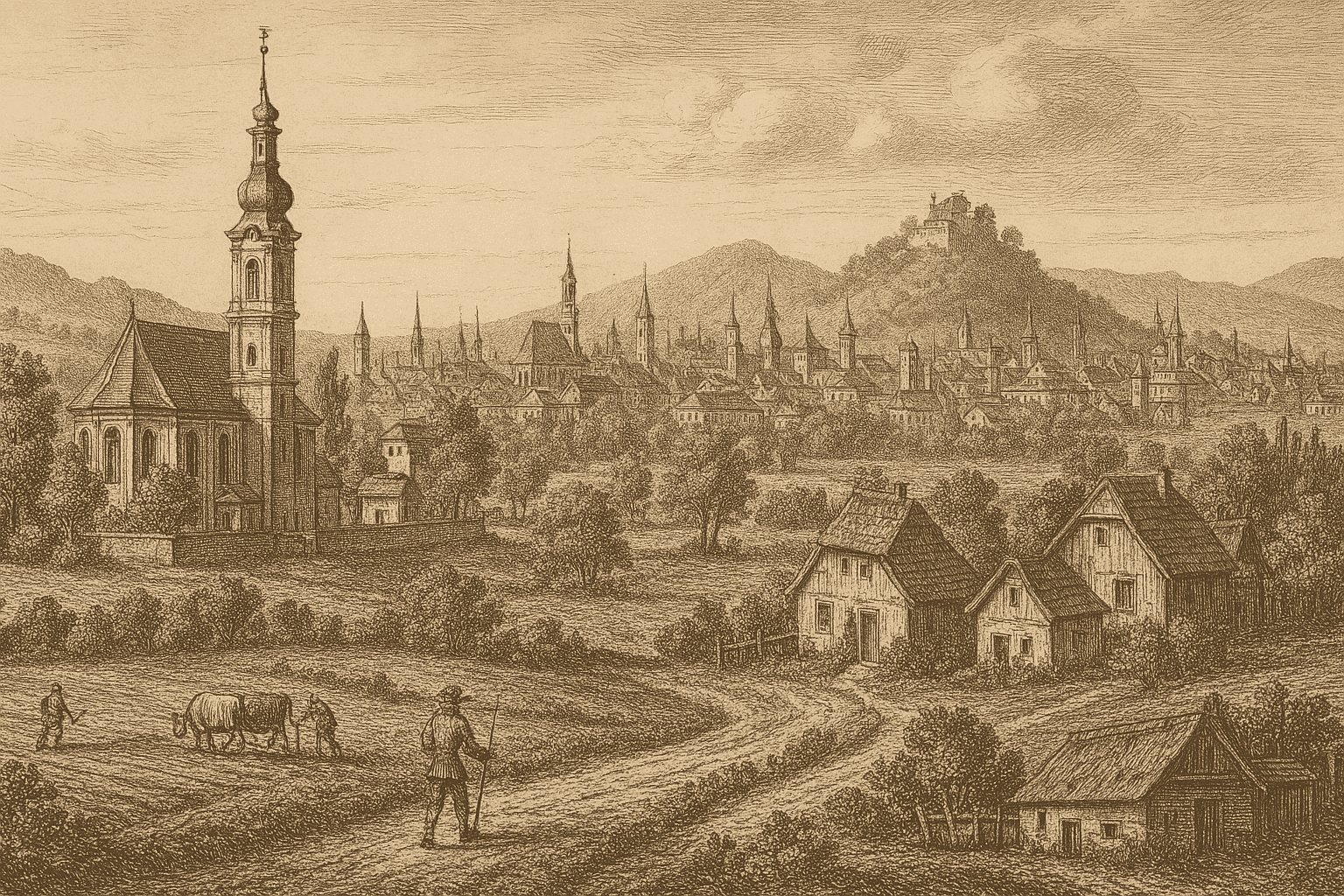 Symbol photo
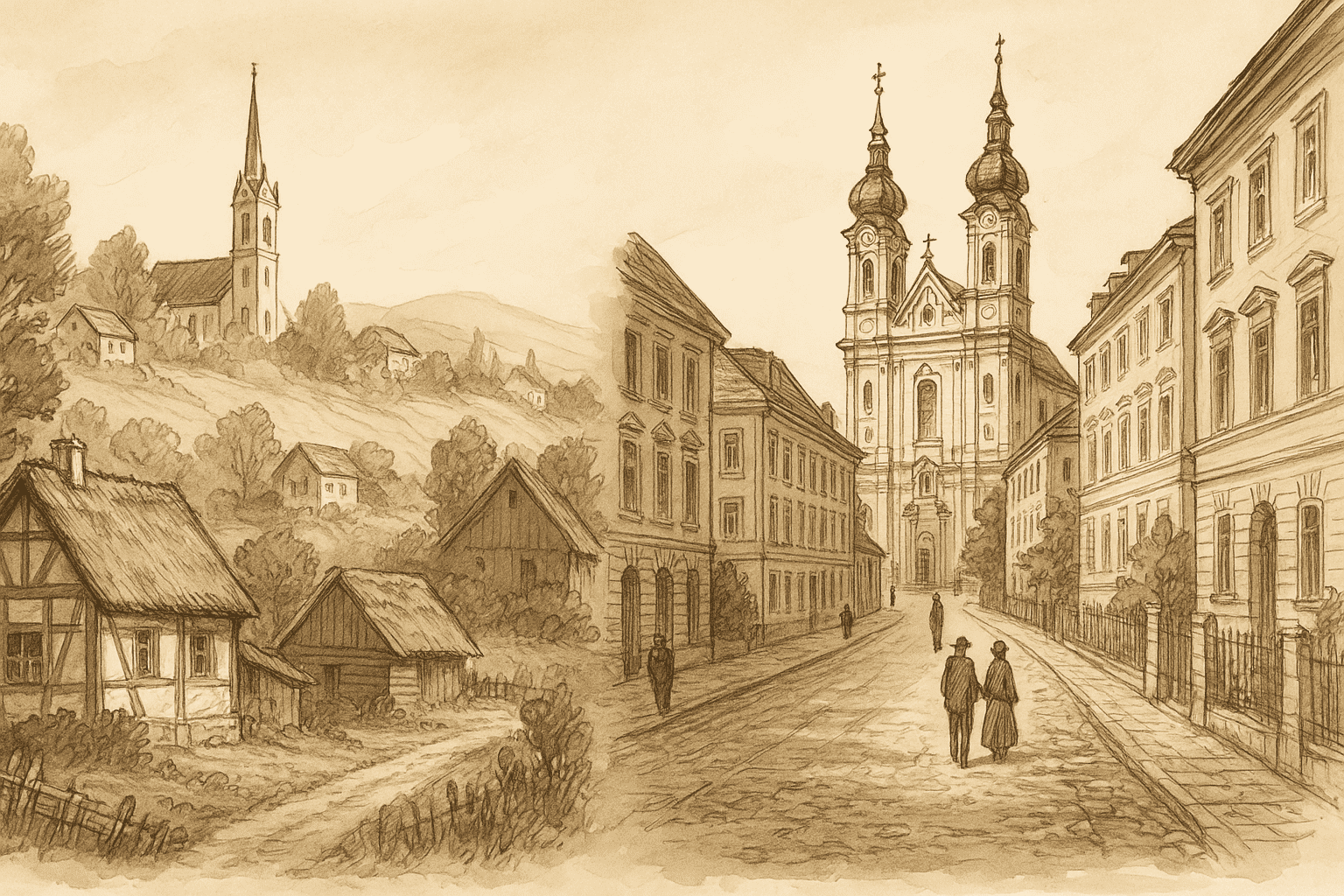 Symbol photo
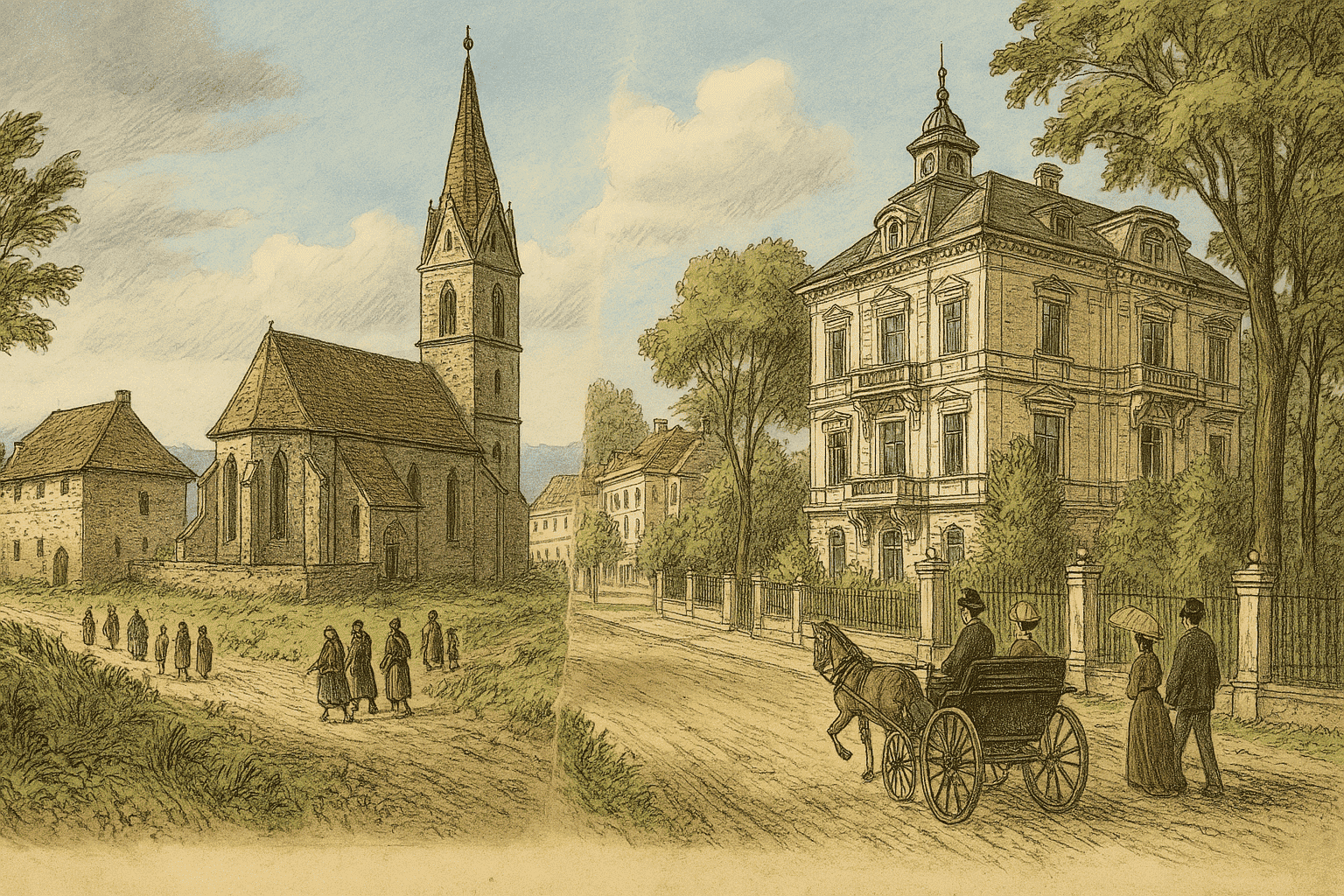 Symbol photo
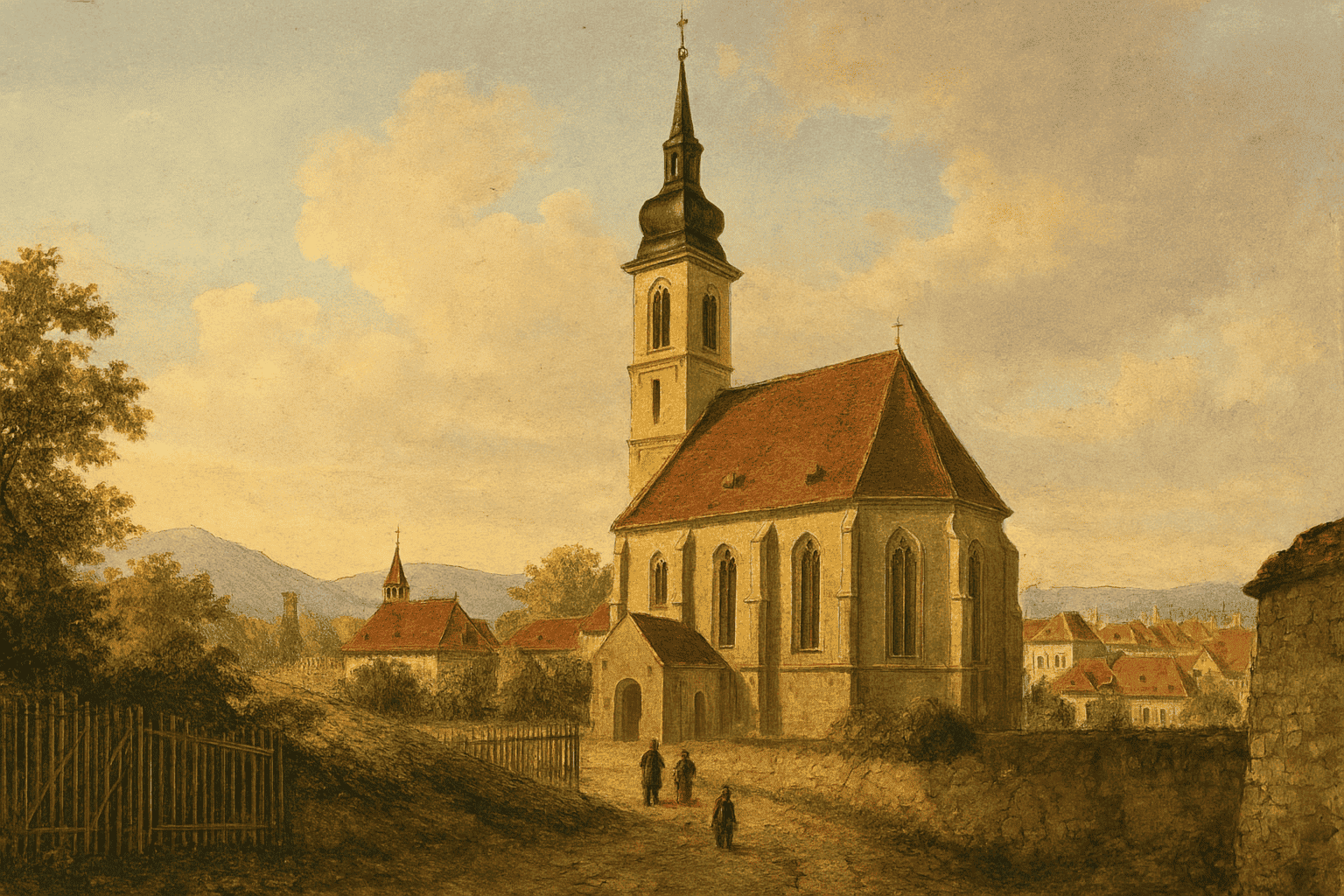 Symbol photo
At the same time, the district developed into a center of Education and ScienceWith the construction of today's University of Music and Performing Arts and proximity to Karl-Franzens University St. Leonhard established itself as cultivated district, which combines academic flair with sophisticated living culture.
In the 20th century, the district retained its green character despite urban development. Many of the historic buildings are now listed buildings—and are appreciated by locals and architecture enthusiasts alike, who enjoy strolling through this stylish part of the city.
Today St. Leonhard presents itself as historically grown district with quiet eleganceVisitors will not only find magnificent facades and green retreats, but also a piece of Graz history that is consciously cared for and preserved – an ideal mix of Tradition and quality of lifewhich is perfect for discovery.
There's a story behind every street, every square, and every building. If you want to learn more about Graz's hidden past, our newsletter is perfect for you.
Once a month, you'll receive exciting finds, forgotten anecdotes, and historical insights directly in your inbox—compact, well-researched, and told with love for the city.


 English (UK)
  Deutsch
  Italiano
  Français
  Slovenščina
  Español
  Magyar
  Čeština
  Polski