Eggenberg is the westernmost district of Graz – and one of the most historic. Here stands the famous Lock Eggenberg, a UNESCO World Heritage Site and architectural gem from the Baroque period, captivates visitors with magnificent halls, astronomical symbolism, and expansive gardens. But Eggenberg offers even more: old villas, traces of early industrialization, and a vibrant district that uniquely combines history and the present. Those who want to explore Graz – beyond the city center – will find a highlight here for culture enthusiasts and those seeking relaxation.
The name Eggenberg is inextricably linked to one of the most important buildings in the city of Graz: the baroque Lock Eggenberg, which lies majestically at the foot of the Plabutsch. Originally built as a medieval manor house, it was expanded into a magnificent residential palace in the 17th century under Prince Hans Ulrich von Eggenberg – with clear references to astronomy, philosophy, and power.
Today, the Eggenberg Palace is a UNESCO World Heritage Site and a popular destination for tourists from all over the world. Magnificent staterooms, the Planetary Hall, the valuable coin collection, and the historic palace grounds make every visit a special experience. Strolling through the baroque avenues or observing the free-roaming peacocks brings history up close – amidst lush greenery.
Over the centuries, a vibrant settlement developed around the castle. In the 19th century, Eggenberg gained increasing importance as an independent municipality – primarily due to the establishment of factories, brickworks, and craft businesses. The Western Railway provided better connections, the first workers' settlements were built, and the district grew rapidly.
Many of these buildings are still preserved today and tell of a time when Graz expanded rapidly and Eggenberg became an important district with an industrial backbone.
In 1938, Eggenberg was officially incorporated into the city of Graz. Since then, the district has undergone significant changes – with new residential complexes, schools, transport links, and urban infrastructure. At the same time, parts of the district have retained their historic character: old streets, residential areas, and the proximity to the Plabutsch River continue to shape the cityscape to this day.
Especially around the castle and along the Eggenberger Allee you can still feel the charm of the past – mixed with urban vibrancy and international flair.
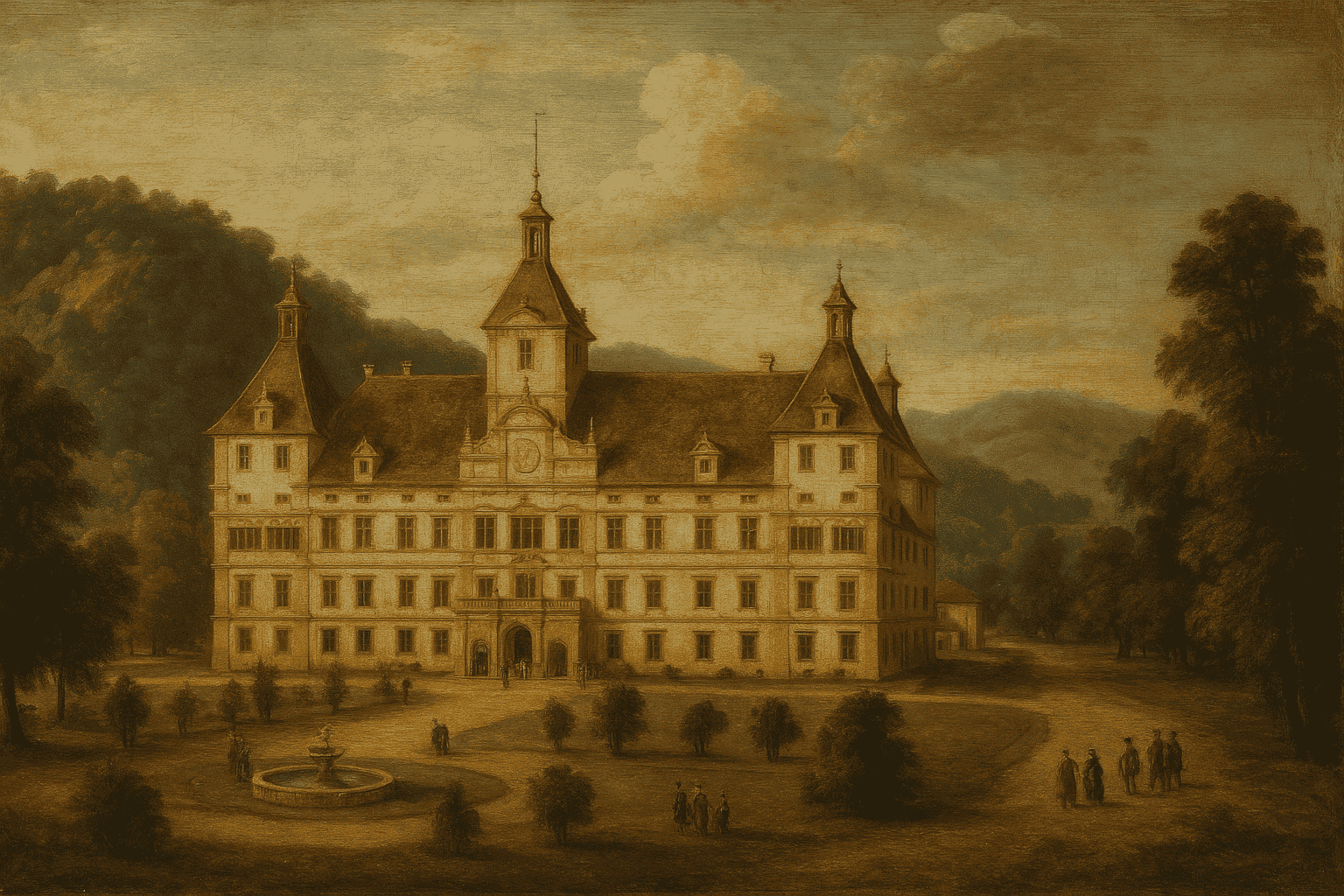 Symbol photo
 Symbol photo
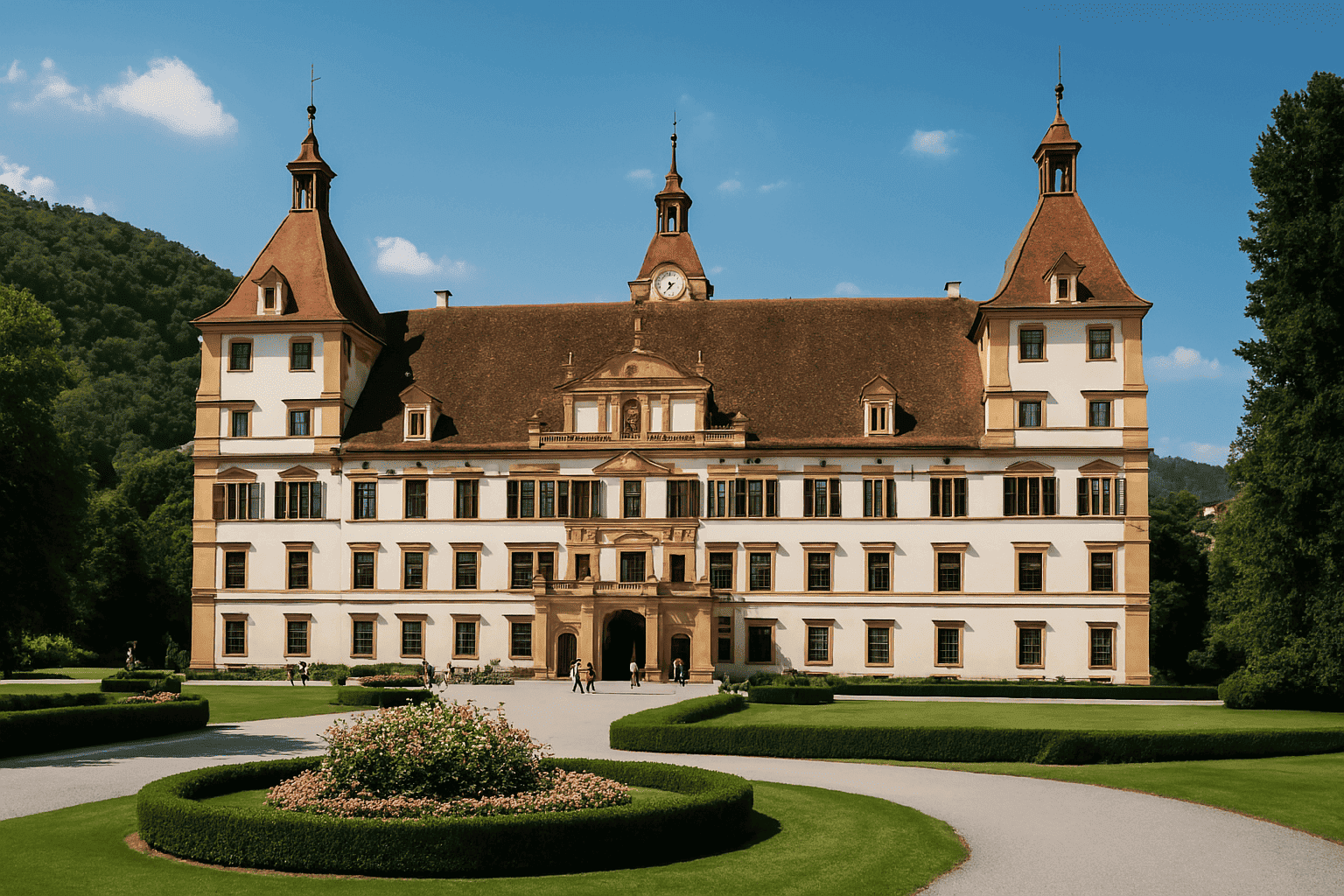 Symbol photo
 Symbol photo
Eggenberg is more than just a residential area. Visitors can discover not only Eggenberg Castle, but also the Archaeological Museum, the Museum of History or the historic castle park with its manicured gardens and shady walking paths. The nearby Plabutsch invites you to hike with views over the whole of Graz.
The district is also well-positioned in terms of cuisine – from traditional inns to modern cafés, there is something for every taste.
Eggenberg uniquely combines past and present: Baroque architecture meets urban life, industrial history meets natural beauty. For anyone wanting to explore Graz beyond the Old Town, Eggenberg is an ideal destination – tranquil, culturally exciting, and surprisingly diverse.
There's a story behind every street, every square, and every building. If you want to learn more about Graz's hidden past, our newsletter is perfect for you.
Once a month, you'll receive exciting finds, forgotten anecdotes, and historical insights directly in your inbox—compact, well-researched, and told with love for the city.

 English (UK)
  Deutsch
  Italiano
  Français
  Slovenščina
  Español
  Magyar
  Čeština
  Polski